Primary 2nd Class STE

STE for 2nd Class

  • Investigation Journal
  • Mapped to the NCCA curriculum

The whole first lesson, as your class sees it. No sign-in needed.

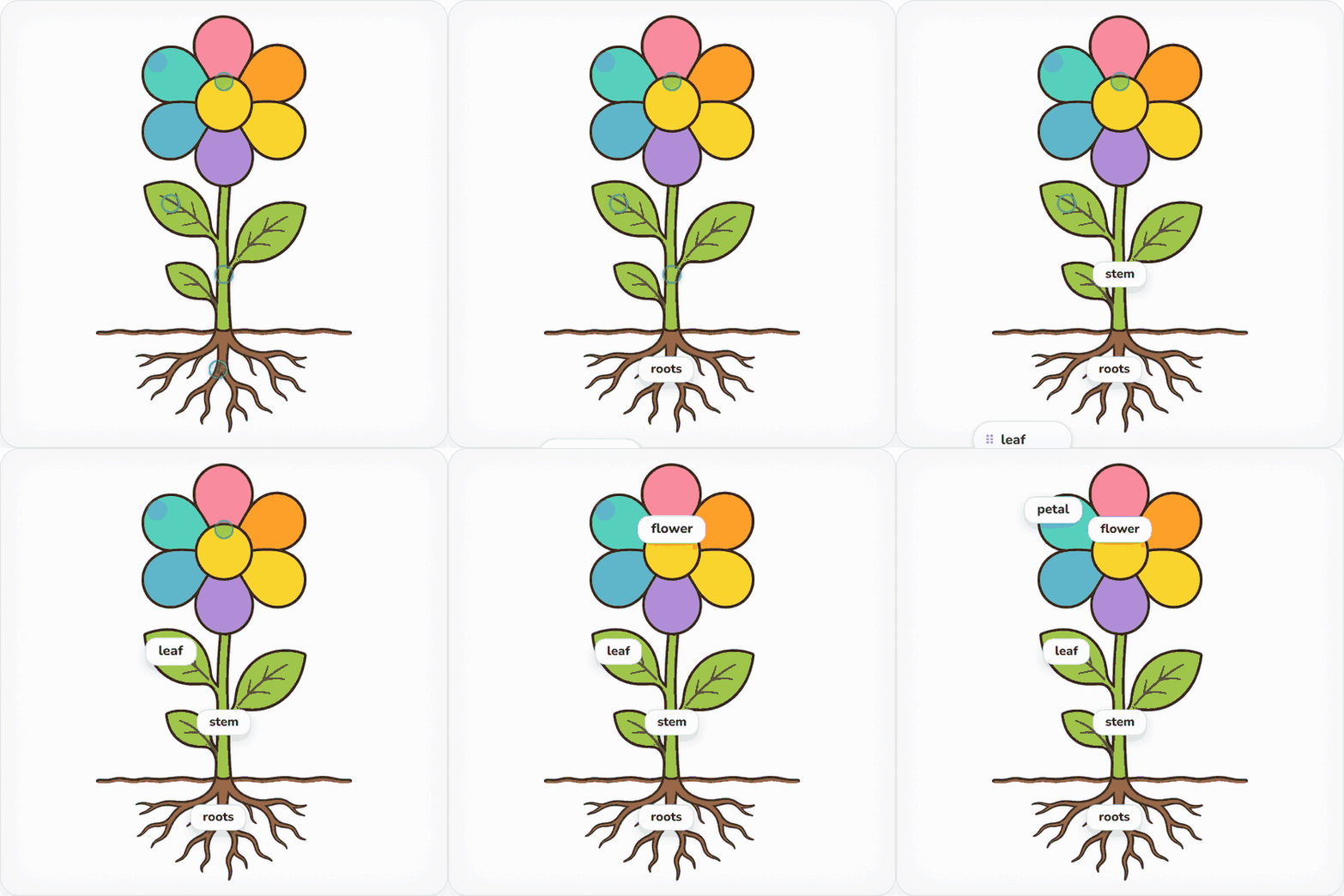
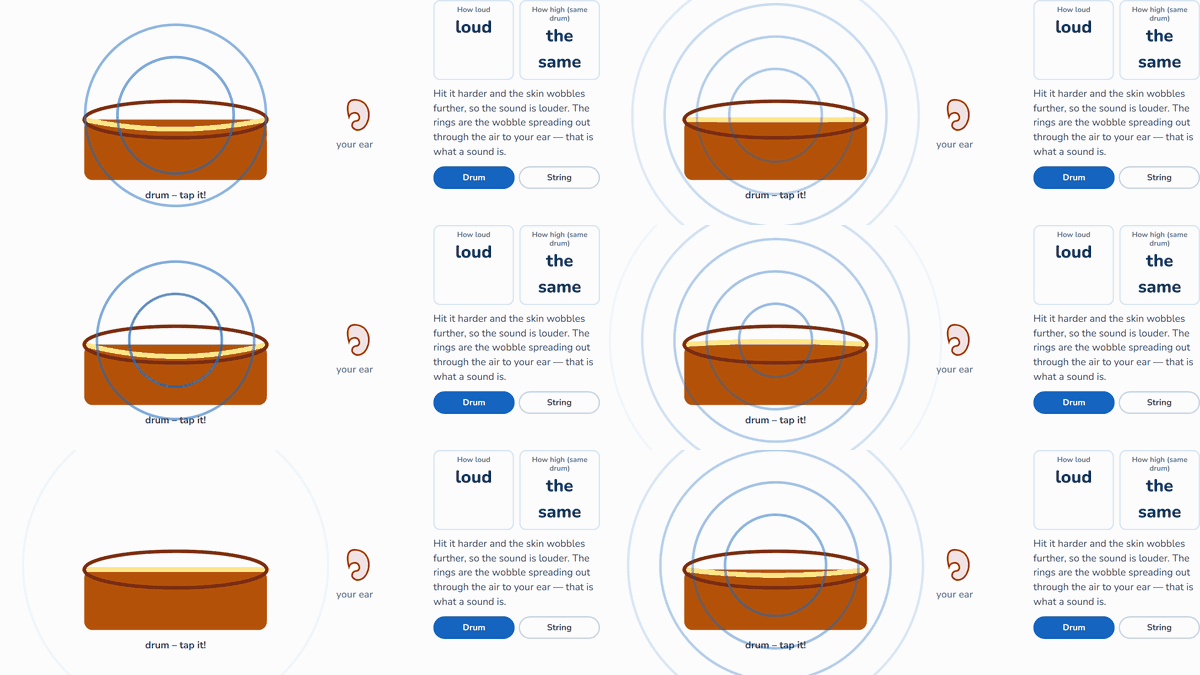
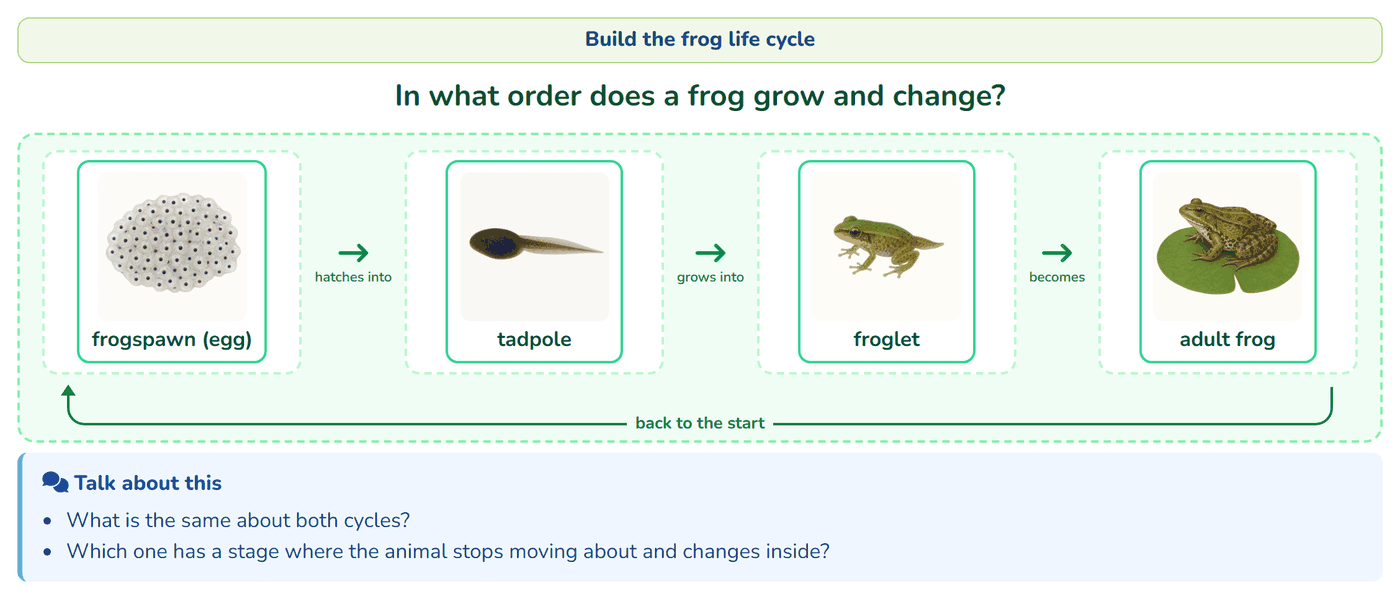
On the interactive whiteboard
Labelling a flowering plant
A sound is a wobble
Building the frog life cycle

What your school gets

Everything a teacher needs to teach STE for 2nd Class this year.

In class

On paper

The whole books come with the course, in each class's Resources.

For planning

Included with the course, in English and in Irish. Teachers find them in their class's Resources.

The curriculum it covers

Every lesson is mapped to the specification. This course teaches 11 of the 11 outcomes for this class.

Nature of STEM 1 of 1 outcome
Living things 2 of 2 outcomes
Materials 2 of 2 outcomes
Energy and forces 3 of 3 outcomes
Technology 2 of 2 outcomes
Engineering 1 of 1 outcome
See every outcome
Curriculum Area
Outcomes
Nature of STEM
S1.2.1
Living things
S2.2.1 S2.2.2
Materials
S3.2.1 S3.2.2
Energy and forces
S4.2.1 S4.2.2 S4.2.3
Technology
S5.2.1 S5.2.2
Engineering
S6.2.1

Tap any outcome to read it. The coloured ones are taught in this course. The curriculum does not include official reference codes for individual learning outcomes, so we have assigned a code scheme to make it easier to identify and track coverage.

The course, module by module

36 lessons in 5 modules. The lesson marked Sample opens in full.

1 Living Things: Needs, Senses, Plants and Life Cycles 8 lessons · about 5 hours

Deepen Stage 2 living-things outcomes: tell living, once-living and never-living apart, use the senses for careful scientific observations, see how food gives energy to grow and thrive, observe local and wider plants, run a two-lesson observe-over-time investigation into what plants need, and explore an animal life cycle. Nature of STEM is woven as STEM eyes on the immediate environment.

  1. STEM Eyes and Living Things
  2. 1 What Does It Do, and How Could We Find Out? Sample lesson
  3. 2 Living, Once-living or Never-living?
  4. Senses and Growing
  5. 3 Our Senses Help Us Investigate
  6. 4 Food Gives Us Energy to Grow
  7. Plants Around Us
  8. 5 Plants in Our Local and Wider World
  9. Project: What Do Plants Need to Grow?
  10. 6 Set Up Our Plant Investigation
  11. 7 What Did Our Plants Need?
  12. Animal Life Cycles
  13. 8 An Animal's Life Cycle
2 Materials: Natural and Synthetic, Properties and Change 7 lessons · about 5 hours

Deepen the Materials strand: natural vs synthetic, comparing and contrasting properties, asking which material suits a job, then gentle inquiries into warming and cooling, mixing, Irish weathering, and looking after materials and the planet.

  1. Natural, Synthetic and Properties for a Job
  2. 9 Natural and Synthetic Materials
  3. 10 Comparing Properties
  4. 11 Ask a Testable Question: Which Material Suits the Job?
  5. Changing Materials
  6. 12 Warming and Cooling Materials
  7. 13 Mixing Materials: What Happens?
  8. 14 Weathering: What Does Irish Weather Do?
  9. Looking After Materials and Our Planet
  10. 15 Looking After Materials and Our Planet
3 Energy and Forces: Energy, Motion and Sound 8 lessons · about 5 hours

Deepen Energy and forces: the jobs energy does in everyday life and how to conserve it for the planet, simple inquiries into how forces change motion (including ramps and rolling), then sound sources, vibrations, volume and sound insulation.

  1. Energy in Everyday Life
  2. 16 Energy in Our Everyday Lives
  3. 17 Saving Energy for the Planet
  4. Forces and Motion
  5. 18 Forces Start, Stop and Turn Things
  6. 19 An Inquiry Into Ramps and Rolling
  7. Sound Around Us
  8. 20 Where Do Sounds Come From?
  9. 21 Vibrations Make Sound
  10. 22 Volume: What Makes a Sound Louder?
  11. 23 Sound Insulation: Making It Quieter
4 Technology: Using Tech, Algorithms, Scratchjr and Robots 7 lessons · about 5 hours

Deepen technology: purposes of digital and non-digital technologies, steps inside everyday jobs, decompose and debug unplugged, deeper ScratchJr (repeats and a two-character story), one gentle big Scratch taster, and a longer floor-robot program.

  1. Technologies and the Steps They Follow
  2. 24 Technology That Helps Us
  3. 25 How Does It Work? Steps Inside an Everyday Job
  4. Decompose, Repeat and Debug
  5. 26 Order the Steps, Spot the Repeat, Find the Bug
  6. Scratchjr Deeper and a Scratch Taster
  7. 27 ScratchJr: a Sequence with a Repeat
  8. 28 ScratchJr: a Little Story with Two Characters
  9. 29 From ScratchJr to Scratch: a Taster
  10. Floor Robots and Precise Programs
  11. 30 Robots and Rules: Programming the Floor Robot
5 Engineering: Empathy, Plan, Make and Share 6 lessons · about 4 hours

Deepen the design process at Stage 2 lightness: feel how folds strengthen paper, draft and choose a design, build a stronger structure and a model with a moving part, then run a two-lesson make-and-share design-build for a real user.

  1. Strong Shapes and Drafting a Design
  2. 31 Flat Flops, Folded Holds
  3. 32 Draft and Choose a Design
  4. Build Strong and Make It Move
  5. 33 Build a Stronger Structure
  6. 34 Make Something That Moves
  7. Project: Design and Make a Helper
  8. 35 Plan and Draft the Helper
  9. 36 Make, Share and Reflect

Ready to bring STE for 2nd Class to your school?

Get in touch to discuss pricing and ordering for your school.

Back to 2nd Class courses
Ready to get started?
Pricing & Ordering Contact Us
🍪 Our website uses cookies to make your browsing experience better. By using our website you agree to our use of cookies. Learn more