1 - Getting Started ~4 mins
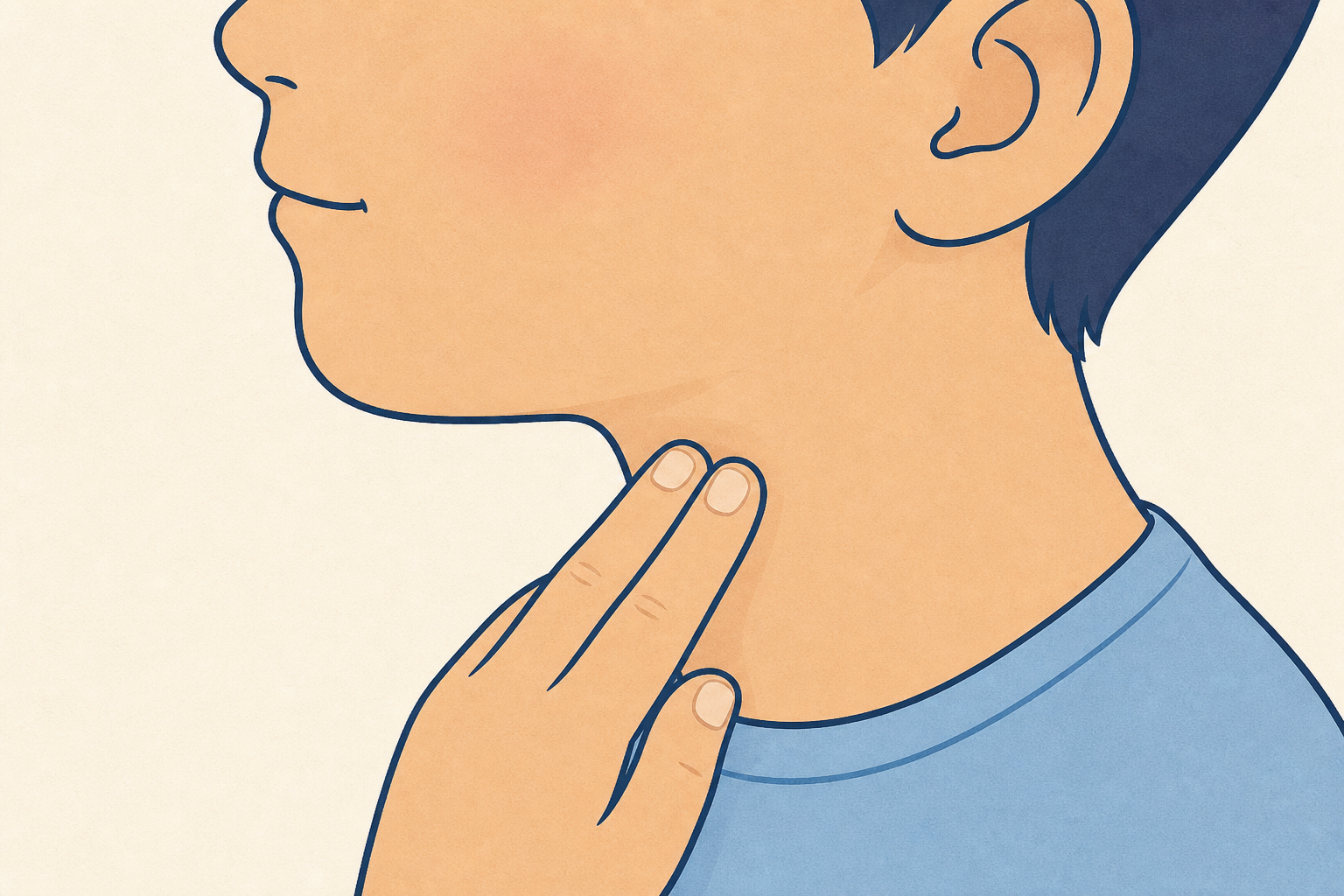 Put your fingers gently on your throat and hum a quiet tune. What do you feel under your fingers?
Today we will find out what sound really is, and we will see the wobble that makes it.
2 - What Is a Vibration? ~3 mins
That buzz in your throat is a vibration: a quick back-and-forth wobble.
If sound starts with a wobble, how could we make that wobble something we can see, not only feel?
3 - What Do You Think Will Happen? ~4 mins
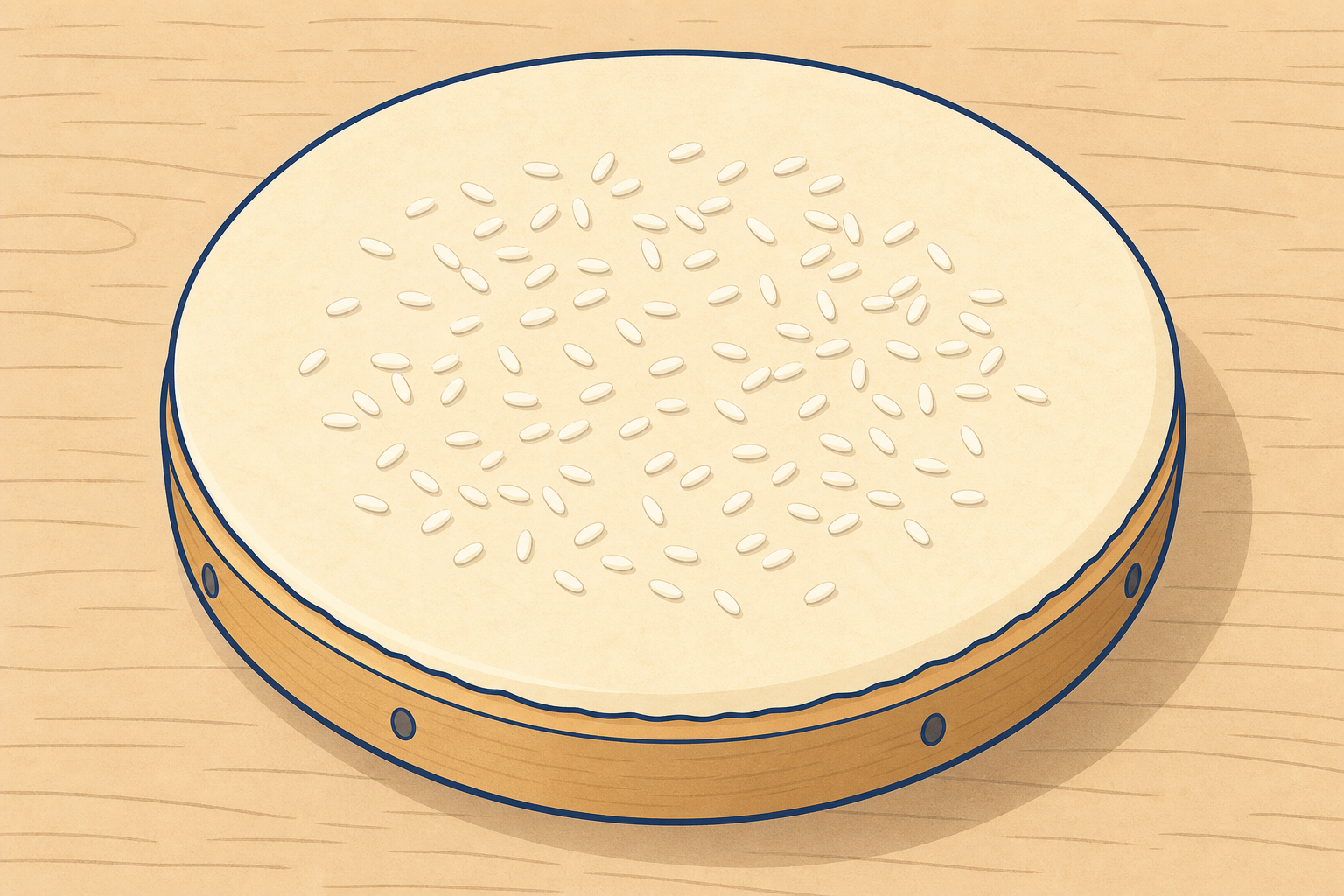 We will use a drum with a little dry rice on top.
Talk with a partner. What do you think will happen to the rice when we tap the drum? Why?
4 - Make the Vibration Visible ~13 mins
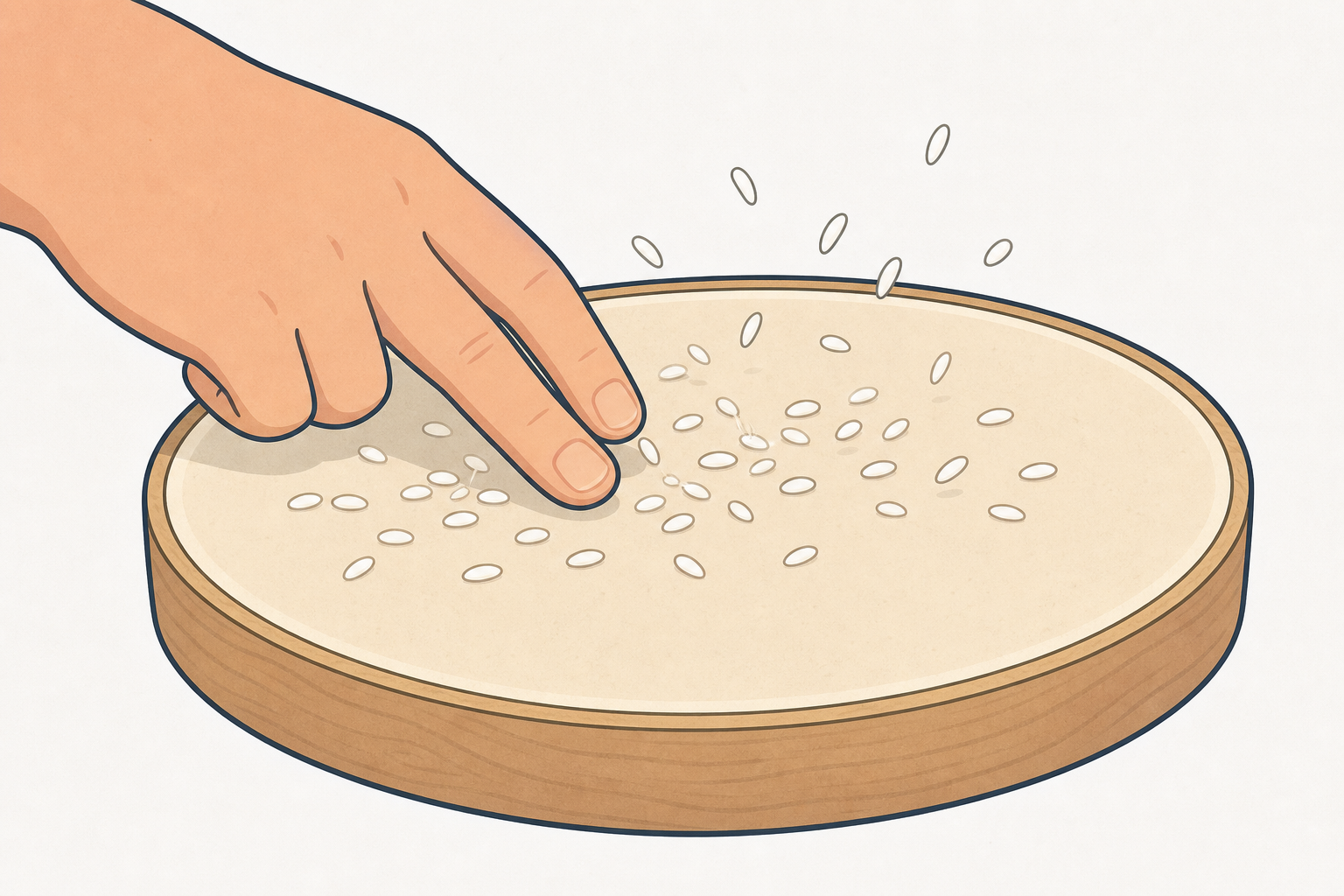 You will start at Station 1 with your group, and Station 2 comes after that.
Station 1: drum and rice
Sprinkle a little dry rice on the drum, then tap once gently and watch what the rice does. Tap again a little more firmly and see whether the rice moves differently. After a tap, rest one finger on the top of the drum so you can feel it as well as see it.
Say what wobbled and what you saw or felt, because you will draw one station later.
5 - See the Wobble on the Board ~5 mins
 Look at the drum on the board. The picture shows the wobble you could feel on the real drum, and how that wobble spreads out toward an ear.
The drum skin is the source: the thing that is wobbling and making the sound.
Sound is what we hear when that wobble reaches our ears.
What is the drum skin doing when we hear a sound?
Unlock the full learning experience
You're previewing this lesson. Get full access to this lesson and hundreds more — each one ready to teach, with interactive activities, printable resources and pupil progress tracking built in.
This lesson is copyright of 123Learn.ie 2017 - 2025. Unauthorised use, copying or distribution is not allowed.