Primary 1st Class STE

STE for 1st Class

A 1st Class STE programme covering living things and senses, materials and their properties, energy forces and sound, unplugged algorithms with ScratchJr.

  • Investigation Journal
  • Mapped to the NCCA curriculum

The whole first lesson, as your class sees it. No sign-in needed.

On the interactive whiteboard
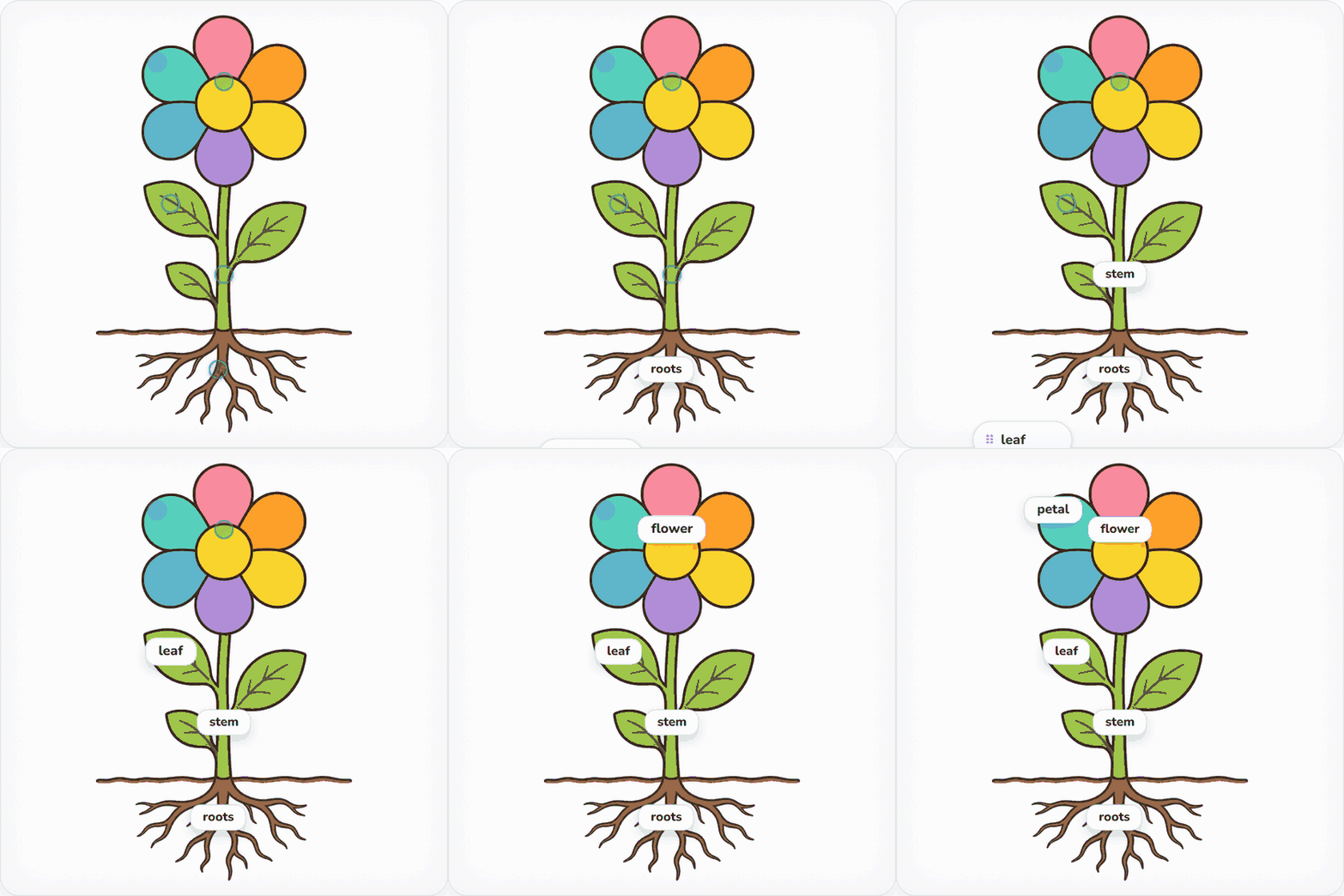
Labelling a flowering plant
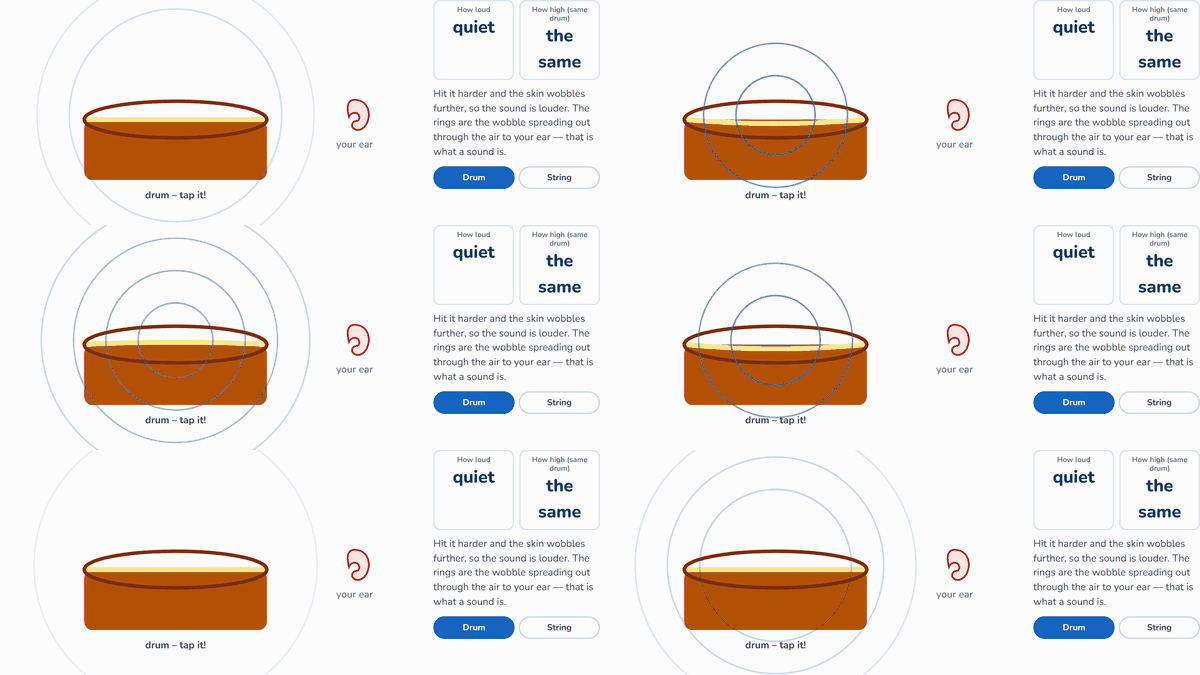
Harder hit, louder sound
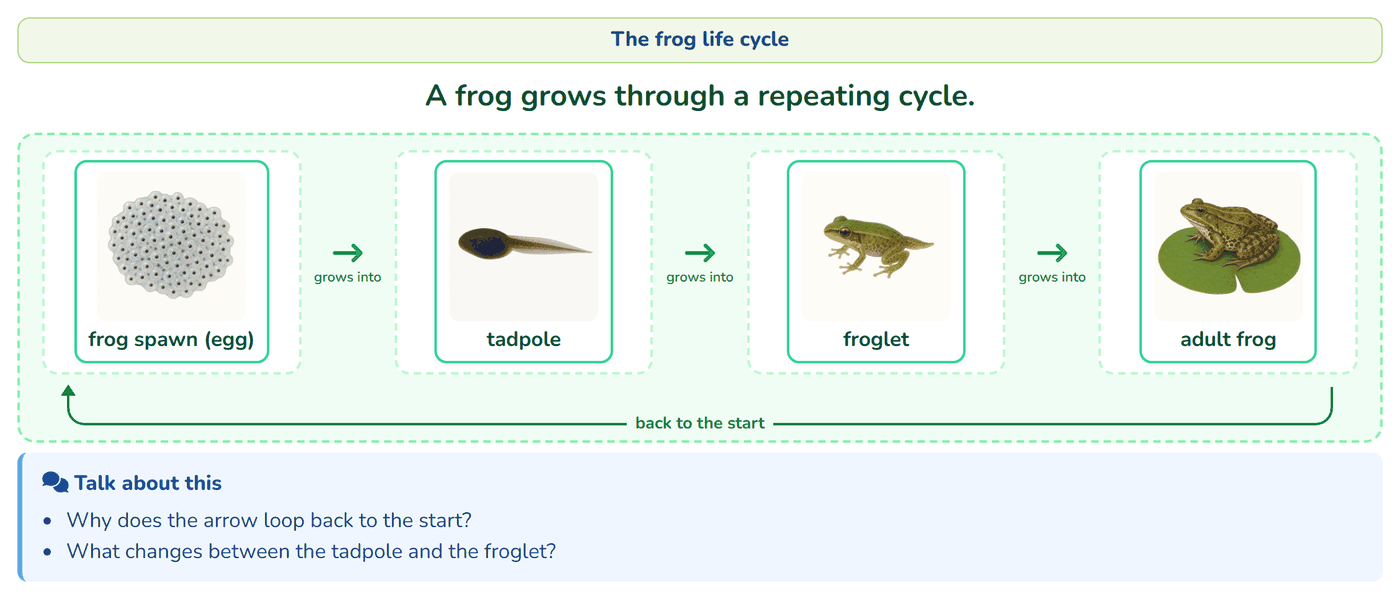
The frog life cycle

What your school gets

Everything a teacher needs to teach STE for 1st Class this year.

In class

On paper

The whole books come with the course, in each class's Resources.

For planning

Included with the course, in English and in Irish. Teachers find them in their class's Resources.

The curriculum it covers

Every lesson is mapped to the specification. This course teaches 11 of the 11 outcomes for this class.

Nature of STEM 1 of 1 outcome
Living things 2 of 2 outcomes
Materials 2 of 2 outcomes
Energy and forces 3 of 3 outcomes
Technology 2 of 2 outcomes
Engineering 1 of 1 outcome
See every outcome
Curriculum Area
Outcomes
Nature of STEM
S1.2.1
Living things
S2.2.1 S2.2.2
Materials
S3.2.1 S3.2.2
Energy and forces
S4.2.1 S4.2.2 S4.2.3
Technology
S5.2.1 S5.2.2
Engineering
S6.2.1

Tap any outcome to read it. The coloured ones are taught in this course. The curriculum does not include official reference codes for individual learning outcomes, so we have assigned a code scheme to make it easier to identify and track coverage.

The course, module by module

36 lessons in 5 modules. The lesson marked Sample opens in full.

1 Living Things: Living, Non-living, Our Senses and Growing 8 lessons · about 5 hours

Open the year with 'STEM eyes', noticing and wondering about the world. Pupils learn to tell living from non-living things, explore what living things do and need, use their five senses to investigate, find out what people need to grow and thrive, and discover how plants and animals grow and change. Highly guided, play-based foundations of the Stage 2 living things outcomes.

  1. Noticing Our World
  2. 1 Looking Carefully: What Do You Notice? Sample lesson
  3. 2 Is It Living or Non-living?
  4. 3 What Do Living Things Do?
  5. What Living Things Do and Our Senses
  6. 4 Our Five Senses: Exploring the World
  7. 5 A Senses Hunt in the School Garden
  8. Growing and Thriving
  9. 6 What Do We Need to Grow Well?
  10. 7 Planting a Seed: What Will It Need?
  11. 8 How Animals Grow and Change
2 Materials: Natural and Man-made, Properties and What Suits a Job 7 lessons · about 5 hours

From naming the materials around us, through natural versus man-made and the properties that make a material right for a job, to gentle predict-try-observe inquiries on which material is waterproof, mixing materials, and what Irish weather does to things left outside. Foundational treatment of the Stage 2 materials outcomes, with no heat for pupils.

  1. Naming and Sorting Materials
  2. 9 A Materials Hunt
  3. 10 Natural or Man-made?
  4. Properties and Choosing the Right Material
  5. 11 Describing Materials: Their Properties
  6. 12 Which Material Is Waterproof?
  7. 13 The Right Material for the Job
  8. Mixing and Weathering
  9. 14 Mixing Materials
  10. 15 Left Out in the Weather
3 Energy and Forces: Energy in Our Day, Pushes and Pulls, Sound 8 lessons · about 5 hours

Notice the energy that makes things go and how we can save it, feel how pushes and pulls move things, then explore sound: where sounds come from, the wobble (vibration) that makes them, loud and quiet, and muffling sound. Foundational Stage 2 energy and forces outcomes, with no electricity at this stage.

  1. Energy in Our Day
  2. 16 What Energy Can Do
  3. 17 Saving Energy at School and Home
  4. Pushes and Pulls
  5. 18 Pushes and Pulls
  6. 19 Make It Move Further
  7. Sound All Around Us
  8. 20 Sounds All Around Us
  9. 21 Sound Is a Wobble
  10. 22 Loud and Quiet Sounds
  11. 23 Muffling Sound: Keep It Quiet
4 Technology: Using Technology, Unplugged Steps and Scratchjr 7 lessons · about 5 hours

From what technology is and the jobs it does, through digital versus non-digital, to first computational thinking: putting steps in order, spotting a repeat and a bug, driving a floor robot, and meeting ScratchJr on a tablet. Foundational Stage 2 technology and algorithm outcomes, unplugged and on ScratchJr only.

  1. What Is Technology?
  2. 24 What Is Technology?
  3. 25 Digital and Non-digital Technology
  4. First Algorithms Unplugged
  5. 26 Step by Step: First Algorithms
  6. 27 Spot the Repeat and the Bug
  7. 28 Driving the Floor Robot
  8. Meet Scratchjr
  9. 29 Meet ScratchJr
  10. 30 ScratchJr: Make It Move to a Goal
5 Engineering: Find a Problem, Plan, Make and Share 6 lessons · about 4 hours

Build the foundations of the design process at Stage 2 lightness: notice a problem someone has, draw a plan, make a prototype, and share it. Through an empathy and planning pair, a strong tower, a floating boat, and a two-lesson make-and-share project for a friend, pupils experience their first project arc this year.

  1. Engineers Help People
  2. 31 Which Join Holds?
  3. 32 Plan and Draw Your Idea
  4. 33 Build a Strong Tower
  5. Building and Testing
  6. 34 Build a Little Boat That Floats
  7. 35 A Helper for a Friend: Plan and Make
  8. 36 Make Something Better for a Friend: Share and Reflect

What pupils learn

This course introduces 1st Class pupils to core STE concepts through hands-on exploration of living things, materials, energy and forces, technology, and engineering design. Pupils develop observational skills, investigate properties of materials, understand pushes, pulls, sound and energy in daily life, create simple algorithms with floor robots and ScratchJr, and apply the engineering process to design, build and test practical solutions for real classroom problems.

By the end of the course, pupils can

  1. Identify and sort everyday objects into living and non-living categories, giving one clear reason for each choice.
  2. Use their five senses to observe and describe features of objects and the school garden during sensory activities.
  3. Distinguish between needs and wants for humans and plants, and care for a growing bean or cress seed over time.
  4. Sort materials as natural or man-made, then test and describe their properties such as waterproof, bendy or see-through.
  5. Recognise energy being used in the classroom, identify ways to save energy, and demonstrate pushes and pulls through practical activities.
  6. Distinguish between loud and quiet sounds, explain that sound is caused by vibration, and test materials that muffle sound.
  7. Create and debug simple unplugged algorithms using picture cards and floor robots.
  8. Build short block-based programs in ScratchJr to make a character move across a scene to a goal.
  9. Follow the engineering process to identify a real problem for a friend, draw a labelled design, build a model using available materials, and explain how it solves the problem.

Ready to bring STE for 1st Class to your school?

Get in touch to discuss pricing and ordering for your school.

Back to 1st Class courses
Ready to get started?
Pricing & Ordering Contact Us
🍪 Our website uses cookies to make your browsing experience better. By using our website you agree to our use of cookies. Learn more