Primary 3rd Class STE

STE for 3rd Class

  • Investigation Journal
  • Mapped to the NCCA curriculum

The whole first lesson, as your class sees it. No sign-in needed.

On the interactive whiteboard
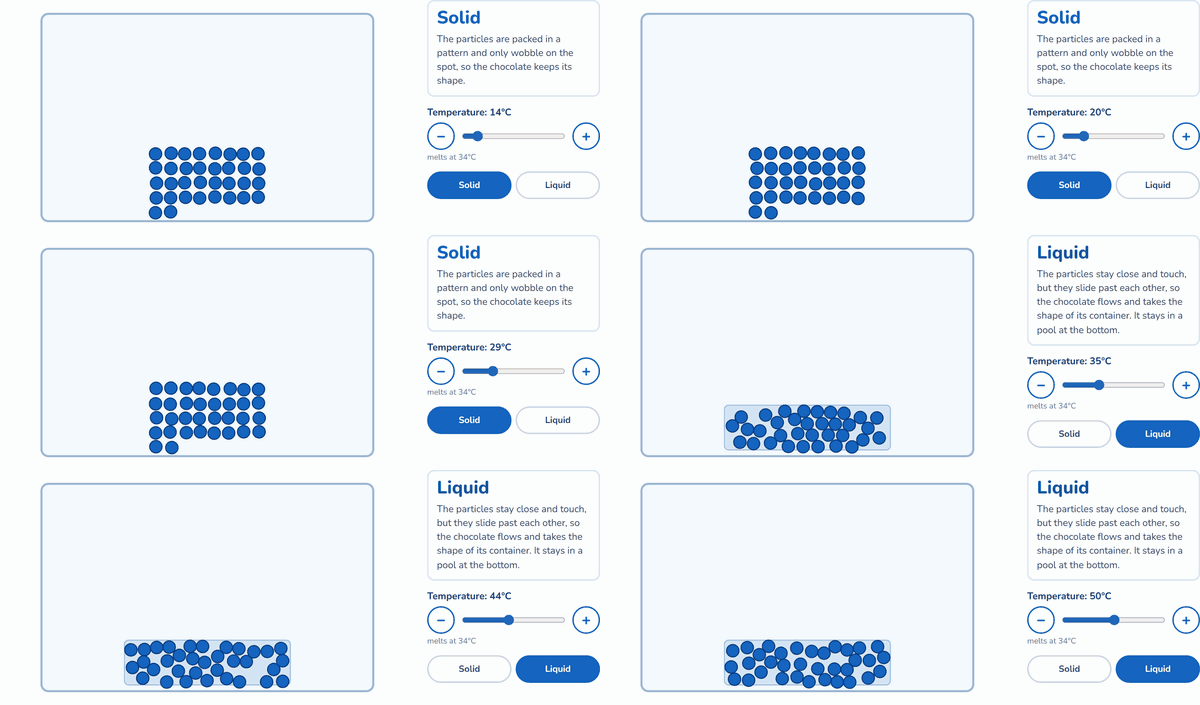
Heating chocolate until it melts
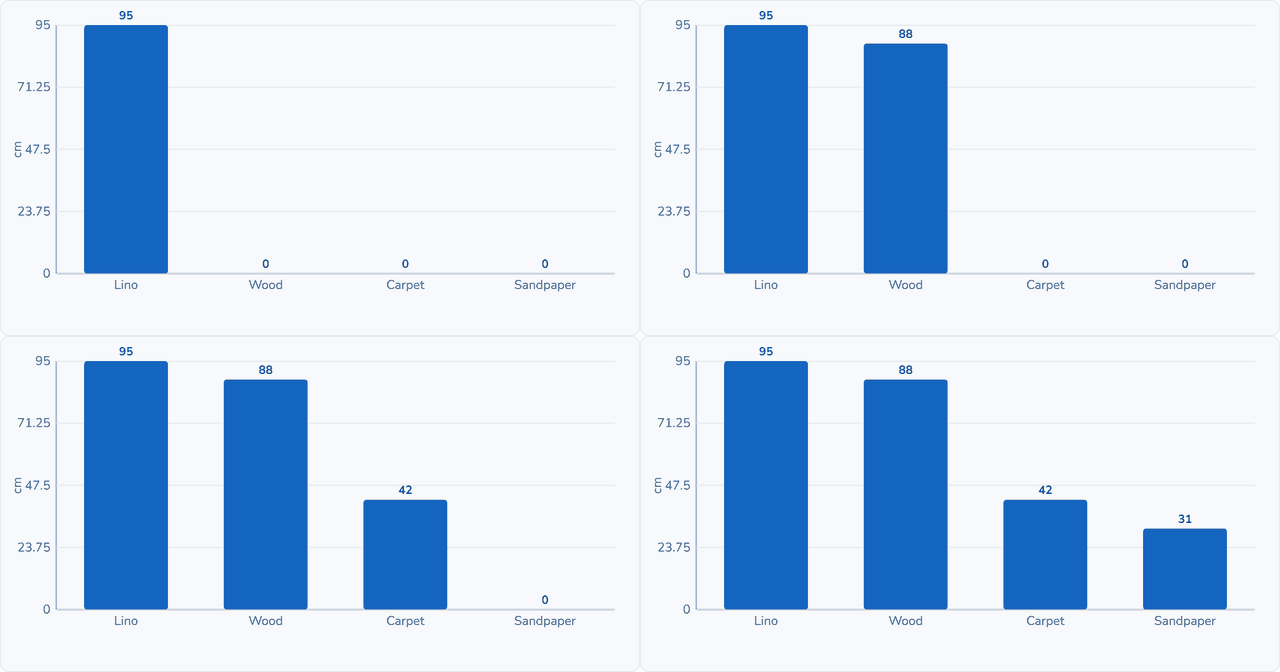
Turning results into a chart
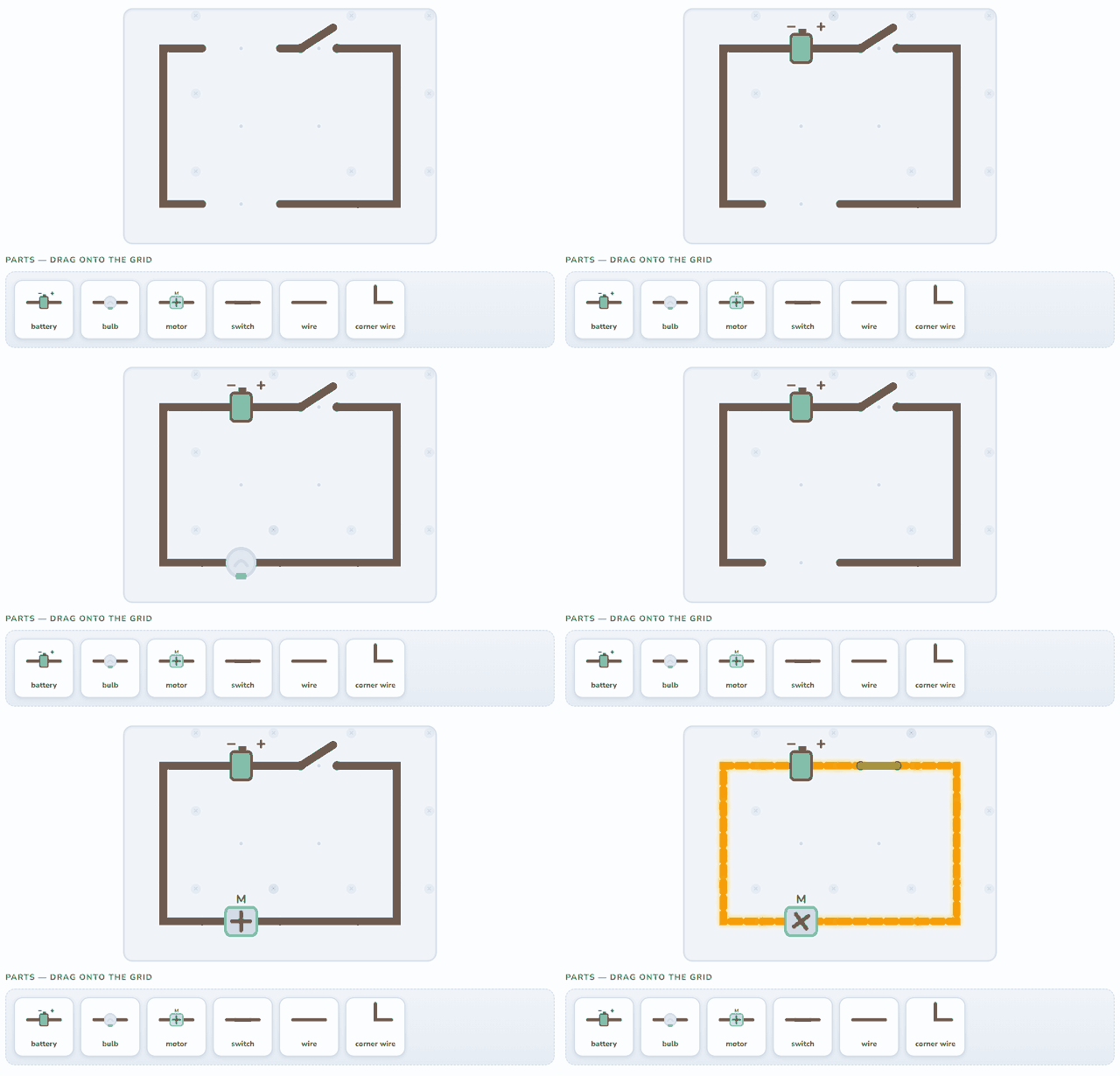
Building a working circuit
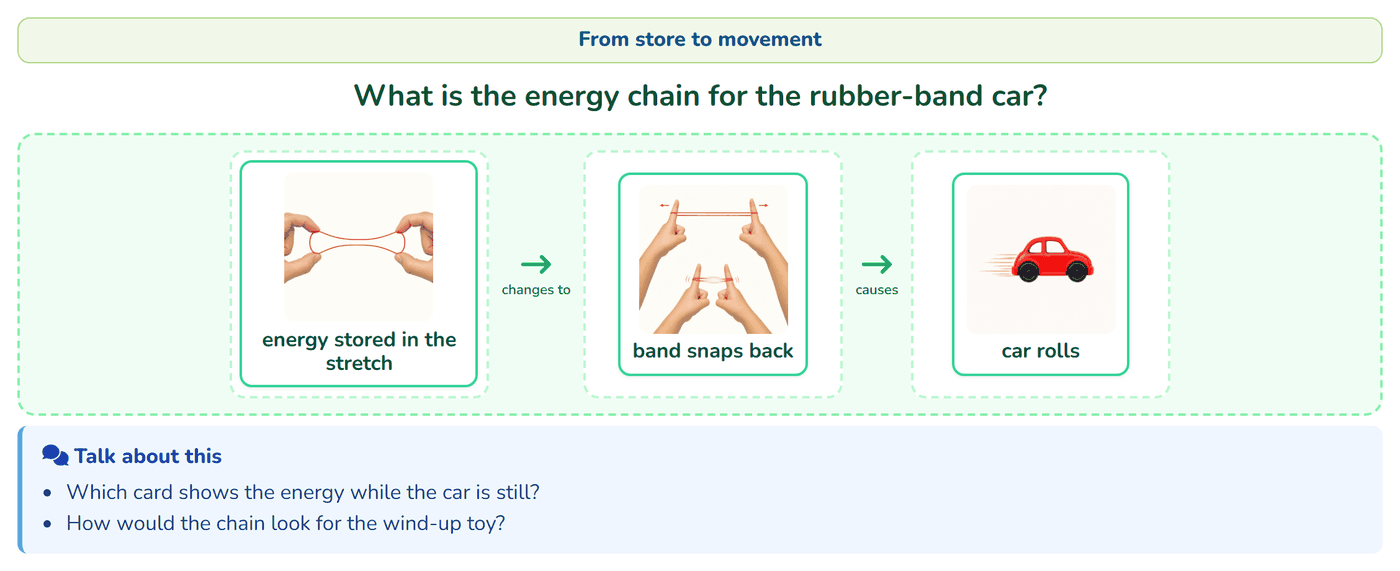
The energy chain of a rubber-band car

What your school gets

Everything a teacher needs to teach STE for 3rd Class this year.

In class

On paper

The whole books come with the course, in each class's Resources.

For planning

Included with the course, in English and in Irish. Teachers find them in their class's Resources.

The curriculum it covers

Every lesson is mapped to the specification. This course teaches 12 of the 12 outcomes for this class.

Nature of STEM 1 of 1 outcome
Living things 3 of 3 outcomes
Materials 2 of 2 outcomes
Energy and forces 3 of 3 outcomes
Technology 2 of 2 outcomes
Engineering 1 of 1 outcome
See every outcome
Curriculum Area
Outcomes
Nature of STEM
S1.3.1
Living things
S2.3.1 S2.3.2 S2.3.3
Materials
S3.3.1 S3.3.2
Energy and forces
S4.3.1 S4.3.2 S4.3.3
Technology
S5.3.1 S5.3.2
Engineering
S6.3.1

Tap any outcome to read it. The coloured ones are taught in this course. The curriculum does not include official reference codes for individual learning outcomes, so we have assigned a code scheme to make it easier to identify and track coverage.

The course, module by module

36 lessons in 5 modules. The lesson marked Sample opens in full.

1 Living Things: Main Organs, One Organ up Close and Classifying 8 lessons · about 8 hours

Open the year by naming the main organs of the body and where they sit, investigate how one organ works, keeps healthy and reacts to a stimulus, then classify Irish plants and animals and meet a first simple food chain. The opening lesson sets the year's STEM eyes tone: STEM is the long story of people figuring out how the world works.

  1. STEM Eyes and the Main Organs
  2. 1 STEM All Around Us: the Story of Figuring Things Out Sample lesson
  3. 2 The Main Organs of the Human Body
  4. One Organ up Close: Heart, Lungs and Eye
  5. 3 The Heart: Feeling Your Pulse
  6. 4 The Lungs: How We Breathe
  7. 5 The Eye and Reacting to a Stimulus
  8. Classifying Irish Plants and Animals and a First Food Chain
  9. 6 Sorting Irish Animals by Their Features
  10. 7 A Branching Key for Irish Plants and Trees
  11. 8 Our School Habitat and Its Food Chain
2 Materials: Properties, States and Gentle Changes 7 lessons · about 7 hours

From the properties and states that make a material right for a job, through the class's first tightly modelled fair test on melting ice, to gentle heating and cooling, dissolving, conductors and insulators of heat, and a first look at materials and the environment.

  1. Properties and States of Materials
  2. 9 Sorting Materials by Their Properties
  3. 10 Solids, Liquids and Gases
  4. Our First Fair Tests: Melting, Dissolving and Heat
  5. 11 Our First Fair Test: Which Place Melts Ice Fastest?
  6. 12 Heating and Cooling: What Melts, What Stays?
  7. 13 Dissolving: What Disappears in Water?
  8. 14 Keeping the Heat In
  9. Materials and Our Environment
  10. 15 Materials and Our Environment: Sort the Classroom Waste
3 Energy and Forces: Forces, Simple Machines, Energy and Light 8 lessons · about 8 hours

Investigate everyday forces, use fair testing to compare them, build simple machines, sort renewable and non-renewable energy and watch stored energy change to movement, then explore light sources, reflection, the spectrum and magnifying. Fair-testing skill from Materials is revisited with forces.

  1. Forces, Friction and Simple Machines
  2. 16 Pushes and Pulls All Around Us
  3. 17 Make It Move: a Force Fair Test
  4. 18 Friction: Which Surface Grips Most?
  5. 19 Simple Machines: Ramps and Levers
  6. Where Energy Comes from and How It Changes
  7. 20 Where Energy Comes from: Renewable or Not?
  8. 21 Storing and Changing Energy
  9. Light: Sources, Reflection, Colour and Magnifying
  10. 22 Light: Natural and Artificial Sources, and How We See
  11. 23 Light: Reflection, Colour and a Closer Look
4 Technology: What Technology Does, IPO and Coding Foundations 6 lessons · about 6 hours

From what digital and non-digital technologies do for us and their advantages and drawbacks, through inputs, processes and outputs, to first computational thinking unplugged and a first run of real coding in Scratch with sequences, loops, events and debugging.

  1. What Technology Does and How Systems Work
  2. 24 What Does Technology Do for Us?
  3. 25 Inputs, Processes and Outputs
  4. Thinking Like a Computer: Unplugged Foundations
  5. 26 Thinking Like a Computer: Precise Instructions (Unplugged)
  6. 27 Decompose and Spot the Pattern (Unplugged)
  7. Coding in Scratch: Sequences, Loops and Debugging
  8. 28 Coding in Scratch: Sequences
  9. 29 Scratch: Loops, Events and Finding the Bug
5 Engineering: Empathy, the Design Process and a Design-build 7 lessons · about 7 hours

Build the foundations of the design process: start with shapes that make paper stiff, draw plans others can build, build and fair-test strong structures, define a real problem for a real user, then complete a two-lesson design-build project that builds, tests, improves and presents a prototype.

  1. Shapes, Plans and Strong Structures
  2. 30 Shapes That Stop Paper Bending
  3. 31 Drawing a Design Others Can Build
  4. 32 Build a Strong, Stable Tower
  5. 33 Test a Structure Fairly: Which Shape Is Strongest?
  6. Find a Problem and Make It Better for Someone
  7. 34 Find a Problem Worth Solving
  8. 35 Build the Prototype
  9. 36 Test, Improve and Share

Ready to bring STE for 3rd Class to your school?

Get in touch to discuss pricing and ordering for your school.

Back to 3rd Class courses
Ready to get started?
Pricing & Ordering Contact Us
🍪 Our website uses cookies to make your browsing experience better. By using our website you agree to our use of cookies. Learn more