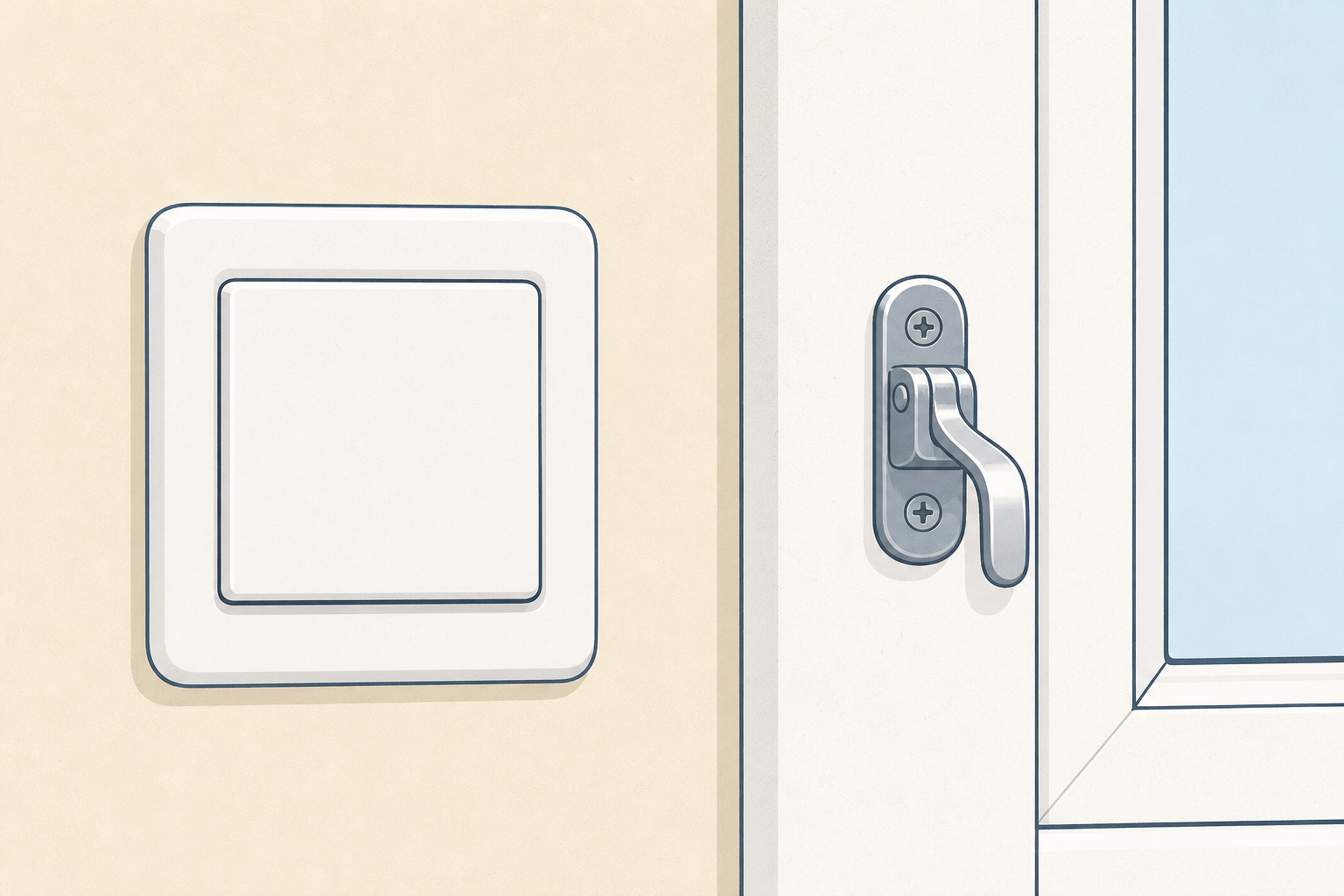
 Look around this room for a moment. Who figured out the light switch? Who designed the window catch? Who built the playground gate?
Today we put on STEM eyes. STEM is the long story of people working out how the world works and making things better. What can you already spot that someone once had to invent, notice carefully, or build?
STEM stands for science, technology, engineering and maths. It means people working out how the world works and making things better.
 Every invention around us solves a problem someone had. Before it was invented, people had to manage some other way.
STEM has a long story, and it is still going on all around our school.
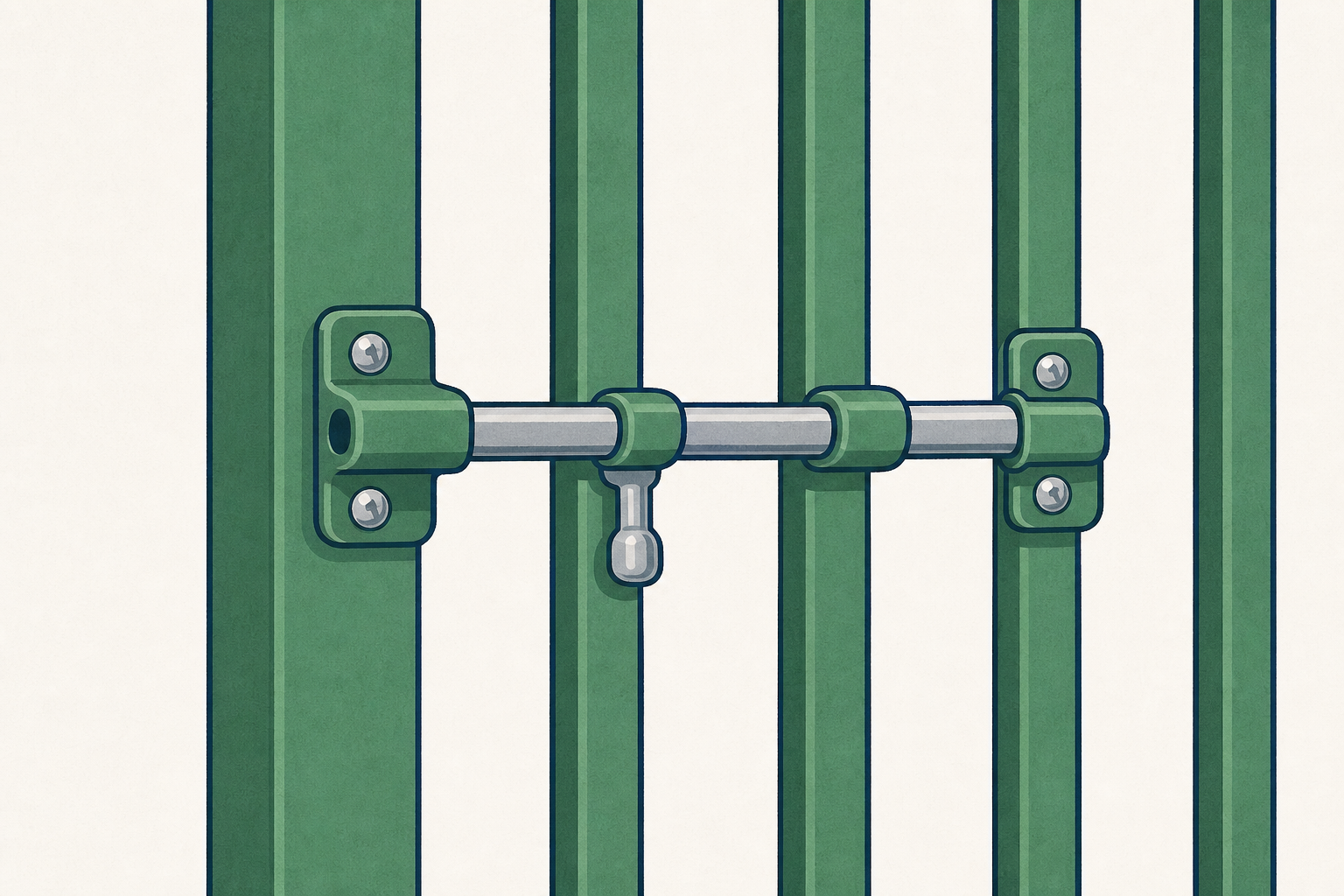
Look at the gate in the picture. What problem does it solve? What might people have done before there were gates?
Every thing on our route was once someone's problem to solve. We are going on a short STEM eyes walk of our classroom, corridor and yard. Look for things someone once had to figure out, invent or build.
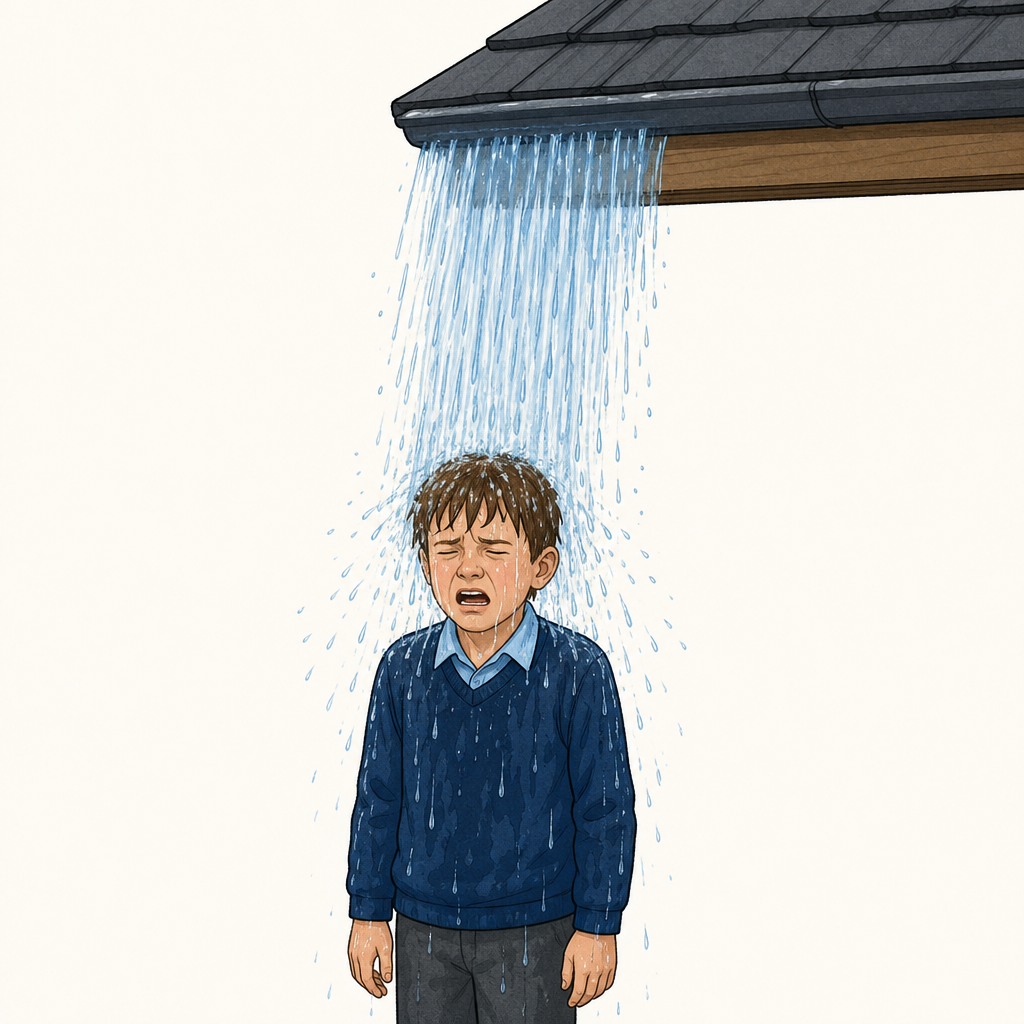
With your pair, list at least four things on your clipboard. For each one, write its name and the problem it solves, like this: gutter: rain pouring off the roof onto us.
At each stop, ask: What problem does it solve? What did people do before it existed?
Some finds help us find something out, like a thermometer. Their problem is a question: how warm is it today?
Stay with the class the whole time.
Every find on your list solves a problem. Let's play Guess my find!
- With your pair, choose your best find. Keep it a secret.
- Tell the pair beside you only the problem it solves, like this: It stops rain pouring off the roof onto us. Can they guess your find?
- Then some pairs play with the whole class.
Say the problem, not what the thing looks like!
This is our first Investigation Journal page of the year. We will look at it together first, so everyone can see where everything goes.
Copy four of your finds into the table: the thing, and the problem it solves.
Then draw one of your finds, and show the problem it solves.
If your pair is short of finds, use one from our class list on the board. The weather chart counts too: its problem is a question, what will the weather do today?
Pick one find from your list. Talk with your pair: before it existed, how did people deal with that problem? What did they use?
Write your idea on the last lines of your journal page, and be ready to share it with the class. There is often more than one sensible answer.
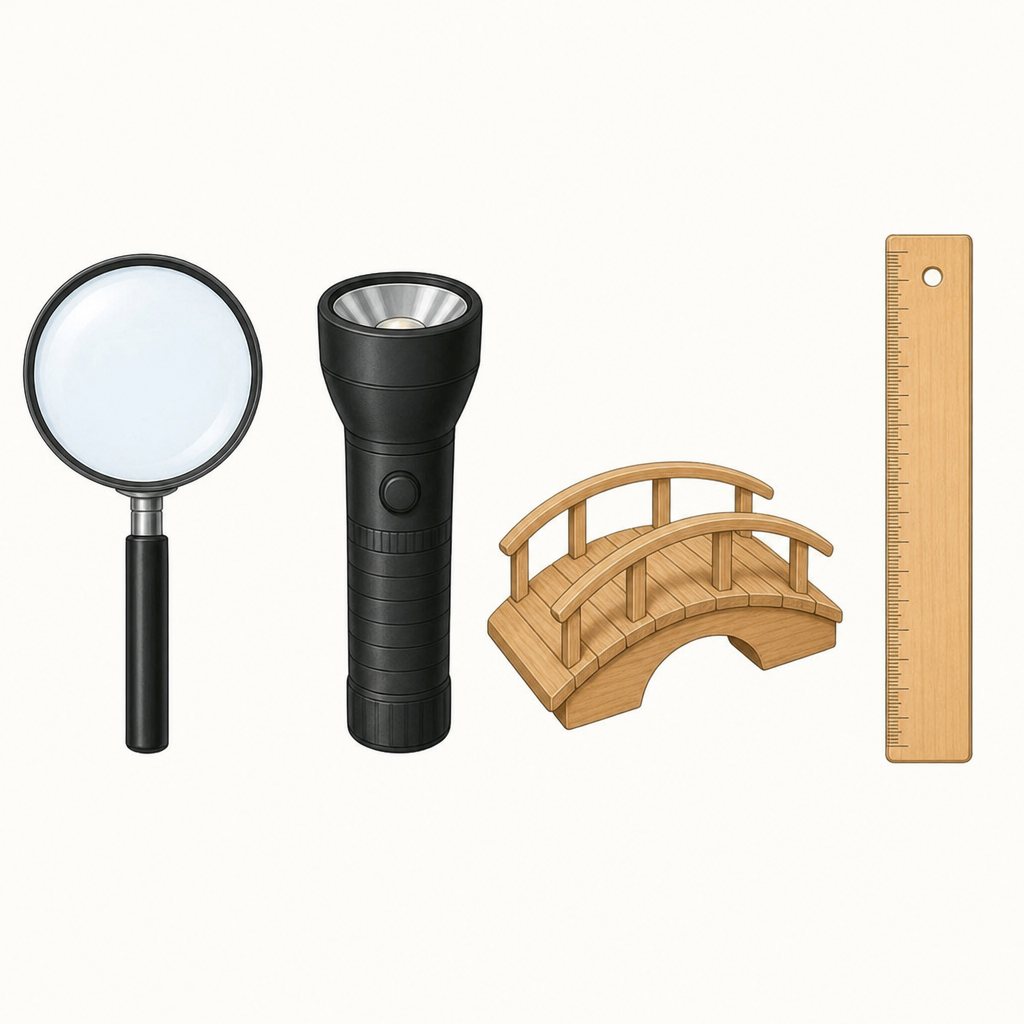
STEM starts with wondering. On a sticky note, write one genuine I wonder question from today's walk (something you truly do not know yet).
Pin your note on the class noticeboard. That board will grow through the year as we investigate.
That was a sample lesson from STE for 3rd Class
Every lesson in the course is ready to teach like this one. See what else comes with it, and how to order it.
This lesson is copyright of 123Learn.ie 2017 - 2026. Unauthorised use, copying or distribution is not allowed.