You're previewing the student experience. You don't need to complete this lesson — your progress and XP aren't saved.
Beginner
40 mins
Teacher/Student led
+75 XP
Teacher-led from the board. Pupils do not need a device, but can follow on one.

What Does It Do, and How Could We Find Out?

During this lesson pupils use careful observation in the school environment, with a living-things focus, to identify everyday objects and their functions. They then transform their curiosities into simple questions suitable for future investigation.

Teacher Class Feed

Load previous activity
    Your turn
    Your teacher is running this lesson on the board. Here is the part you can try yourself.
    Ste exploration
    Observation
    Group discussion

    1 - Getting Started ~3 mins

    An ordinary classroom object seen close, ready for careful lookingLook around our classroom for a moment. What is one ordinary thing you hardly ever stop to look at?

    Key point

    Today we put on our STEM eyes for science, technology and engineering. Ordinary things hide secrets when we look carefully.

    2 - What Are STEM Eyes? ~5 mins

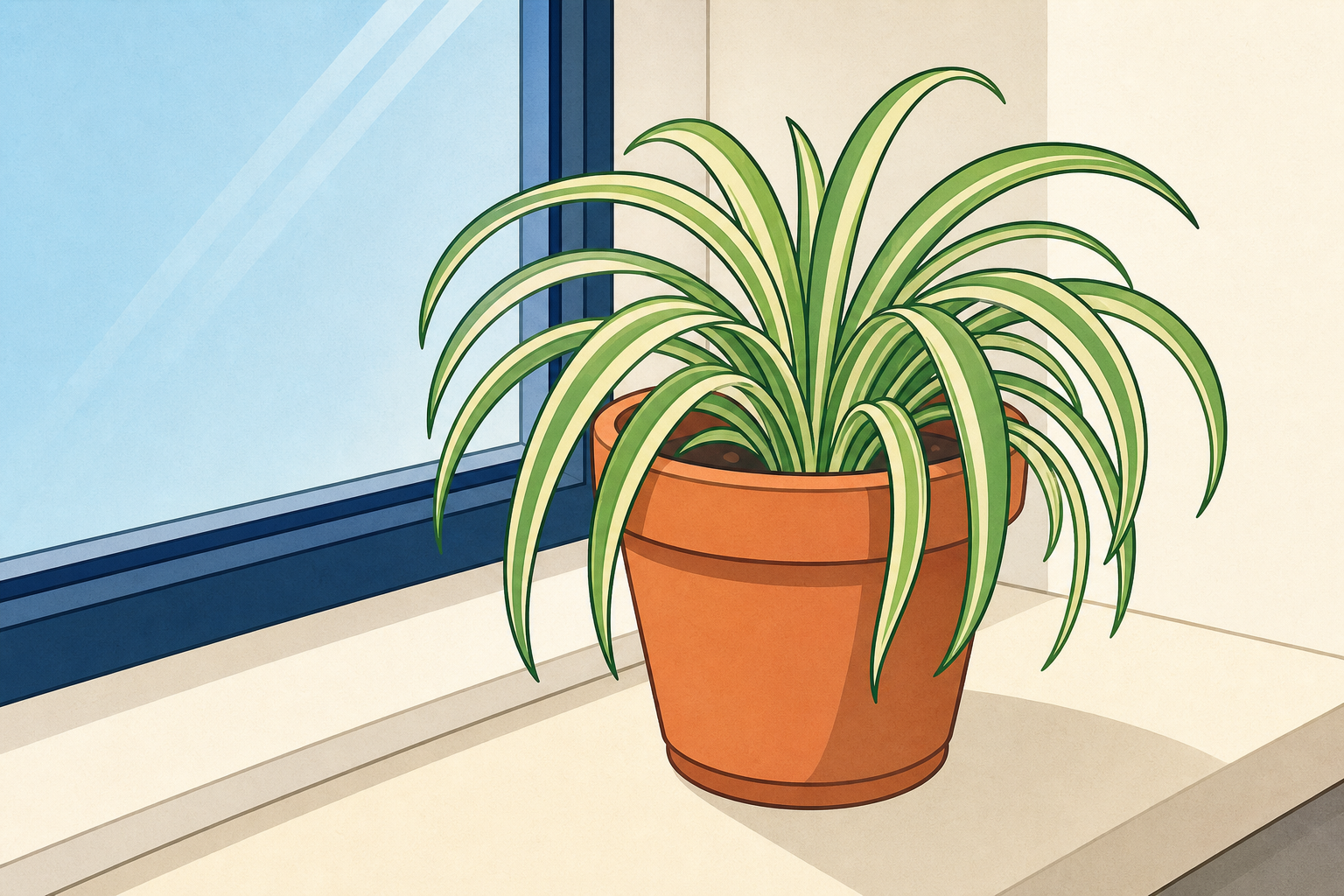
    The three ordered moves of STEM eyes modelled on the classroom plantWatch me use STEM eyes on one living thing near us. Listen for all three while I look carefully:

    Key point

    I notice…   It does…   How could we find out…?

    3 - Wonder Walk ~13 mins

    We are going on a short wonder walk of our school and grounds.

    Key point

    We stay together on the path we agree, so that everyone can hear the same finds. As we go, use your STEM eyes to hunt for one ordinary thing that is doing a job you never noticed, and be ready to say what you noticed, what it does, and one wonder about it. We will write it down carefully when we come back.

    4 - Record What We Noticed ~10 mins

    Your find is worth keeping — capture it so our class can use the question later.

    Key point

    Back inside, finish settling. On your Investigation Journal page, record one thing from the walk.

    What to write

    Write or draw: I noticed… It does… and How could we find out…? (turn your wonder into a simple question).

    5 - Our Class Question Wall ~6 mins

    Key point

    First job: each pair writes one how could we find out? question on a sticky note for our class wall.

    Tip

    While a few of us share a full find, listen for this: could we watch it, try something gentle, or ask someone? We are collecting good questions, not choosing a winner.
    6 - What We Learnt ~3 mins

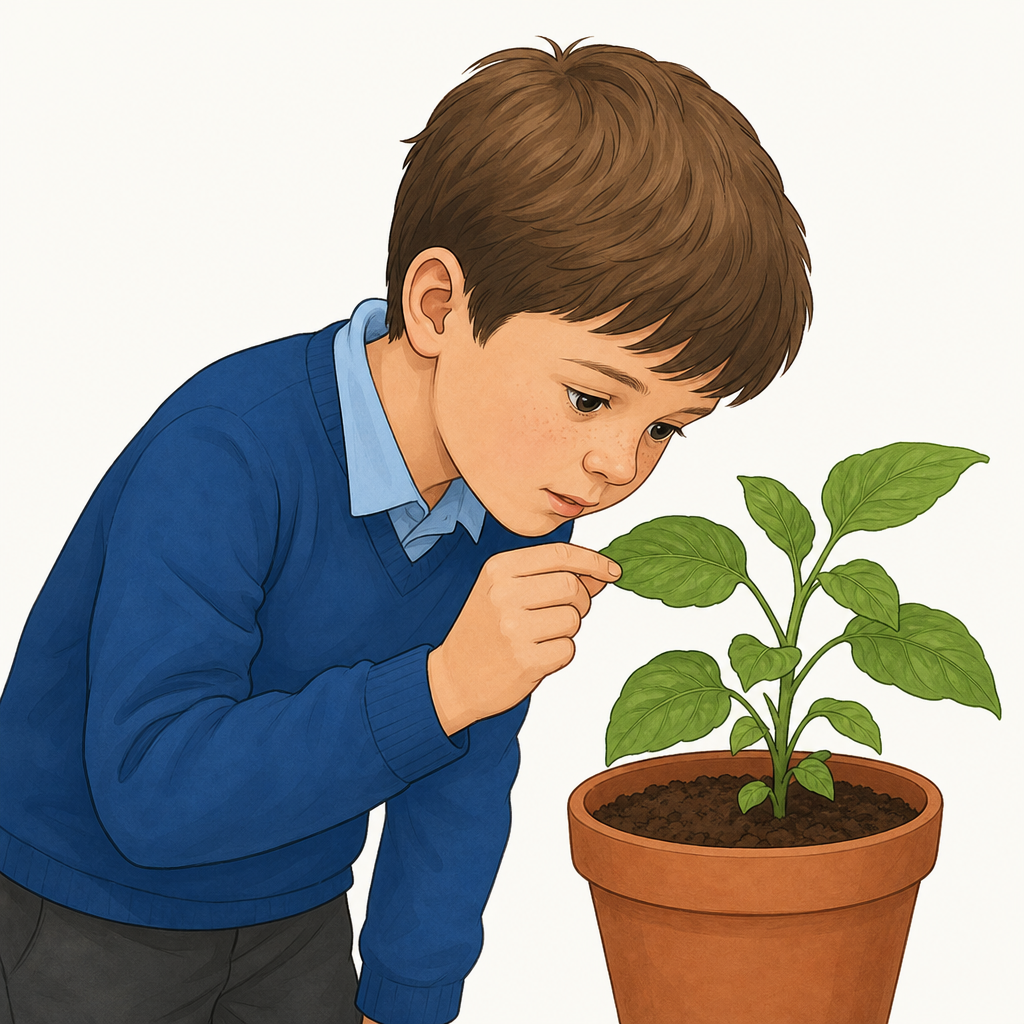
    A child aged 7 to 8 leaning in close to a classroom plant, looking carefully at its leaves with a curious face.
    STEM eyes looking carefully, noticing and wondering
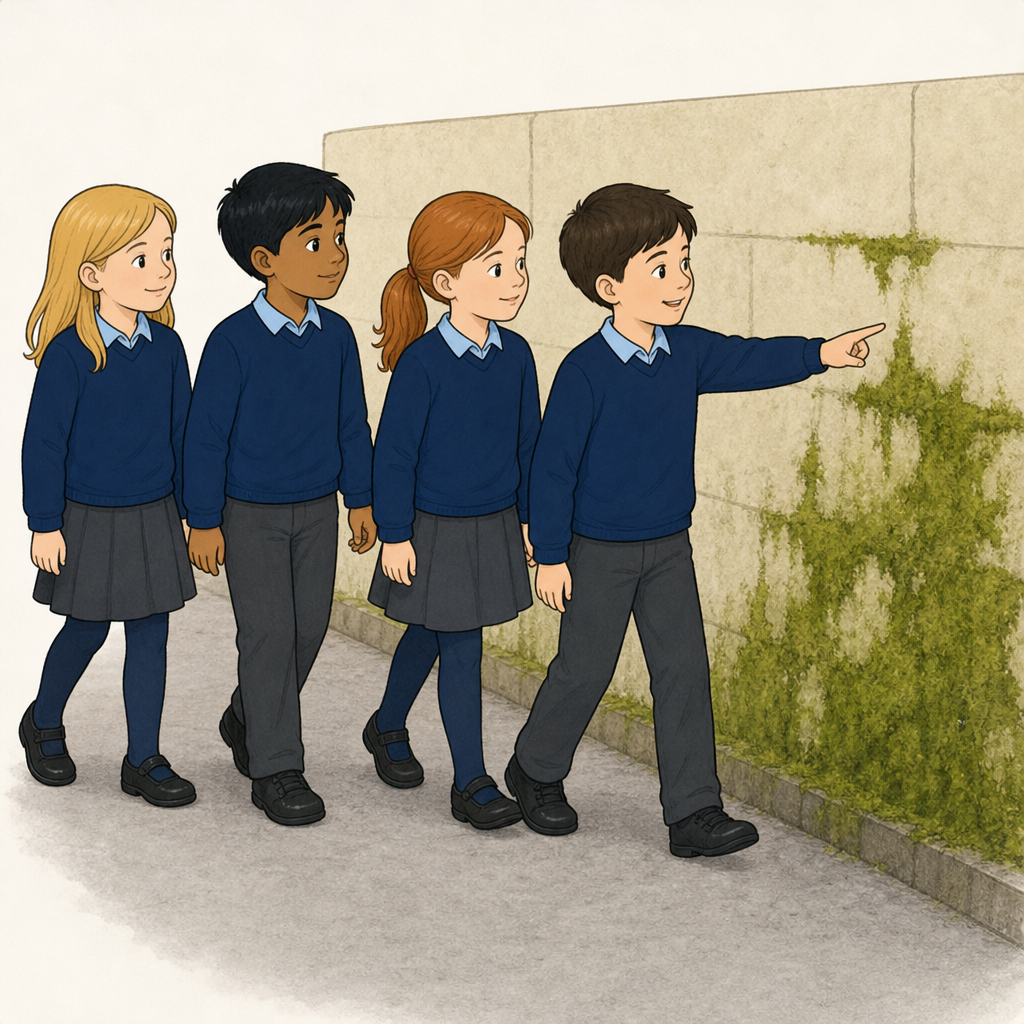
    A small line of children aged 7 to 8 walking beside a school wall, one pointing at soft green moss growing on it.
    wonder walk a short walk to notice ordinary things

    Today we used STEM eyes. We noticed something in our school world, said what it does, and turned a wonder into a how could we find out? question.

    Look at our question wall. What ordinary thing did STEM eyes help you see today that you usually walk past? Which question might we watch for more than one day, or try next time we pass that object?

    Pupil practice · Investigation Journal
    Module 1 · Living Things: Needs, Senses, Plants and Life Cycles
    Lesson 1 · What Does It Do, and How Could We Find Out?
    Download Investigation Journal sheet (PDF)
    End of lesson
    123learn · Sample lesson

    That was a sample lesson from STE for 2nd Class

    Every lesson in the course is ready to teach like this one. See what else comes with it, and how to order it.

    Copyright Notice
    This lesson is copyright of 123Learn.ie 2017 - 2026. Unauthorised use, copying or distribution is not allowed.
    🍪 Our website uses cookies to make your browsing experience better. By using our website you agree to our use of cookies. Learn more