STE
Beginner
60 mins
Teacher/Student led
+90 XP

STEM Eyes: What Does It Do, and How Could We Find Out?
Develop observation skills by noticing things around the school, naming what they do, and turning your wonders into questions. Introduce the mindset of scientists and engineers who investigate the world around them.
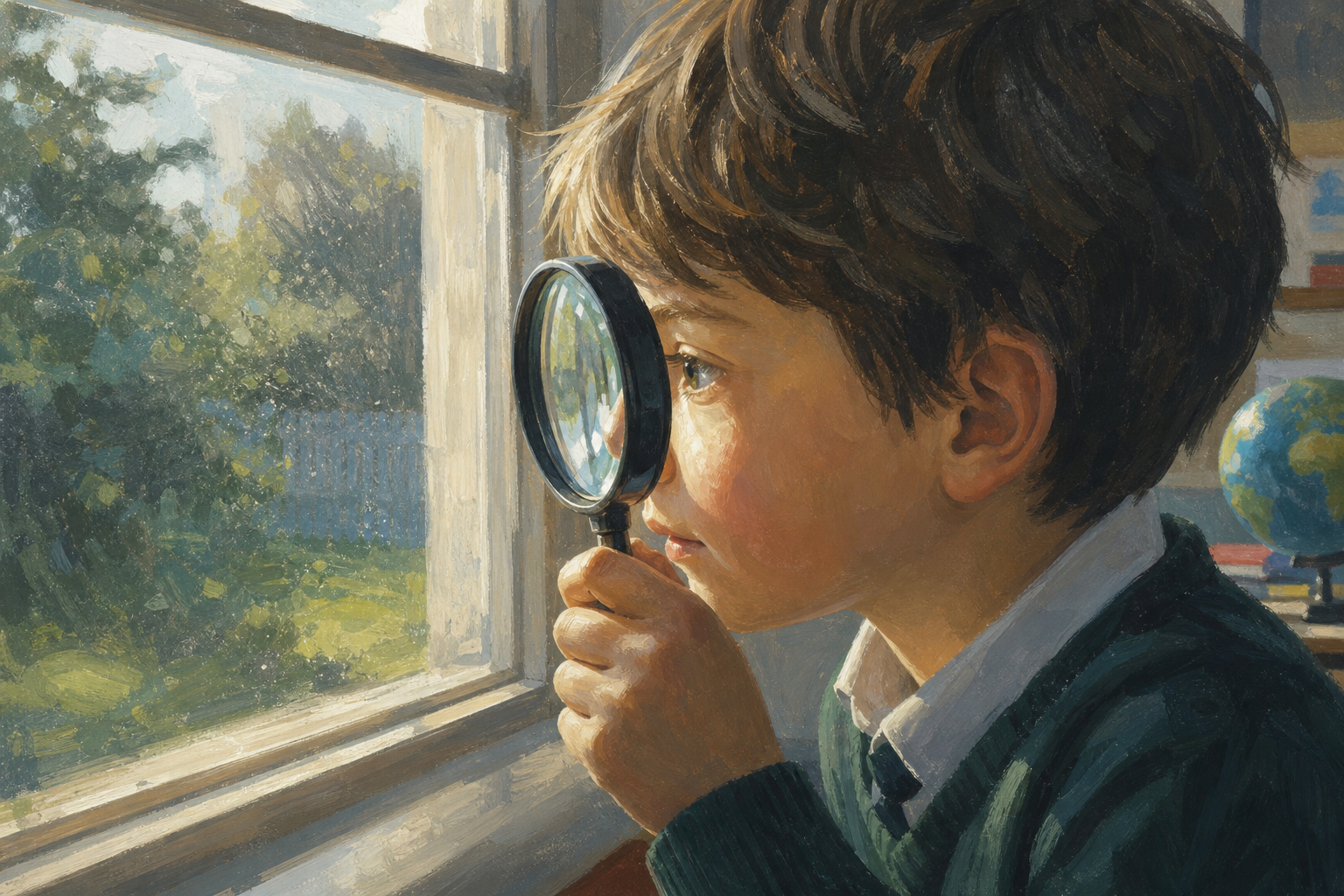 Look around our room right now. What do you notice? Maybe a light, a clock, a window, a plant on the shelf. Hands up: what is one thing in this room you have a little wonder about? Today we are going to put on our 'STEM eyes' and become noticers, because that is how every scientist, engineer and inventor starts.
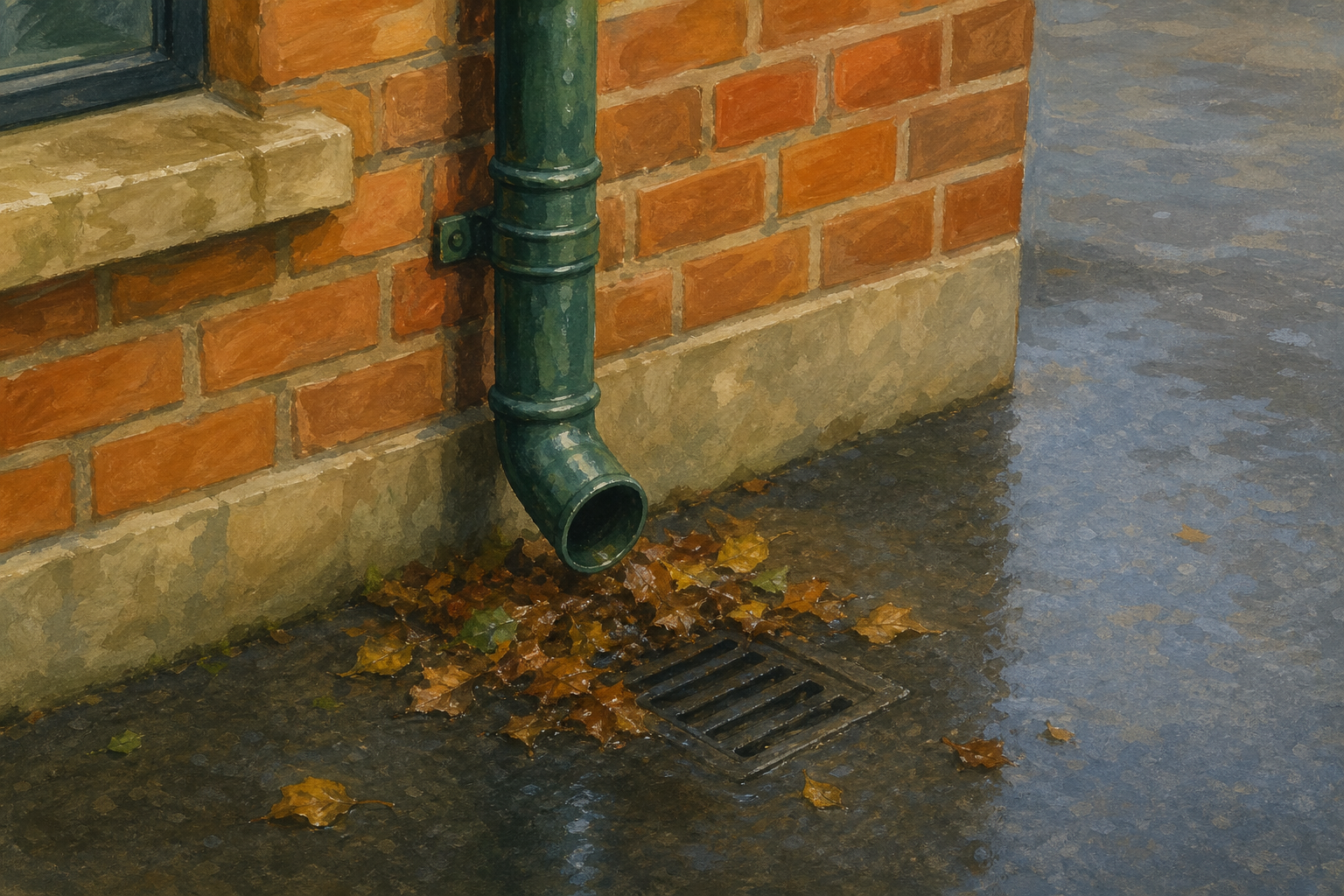 Watch me use my STEM eyes on one thing before you try it yourselves. I am going to look at the drainpipe outside our window.
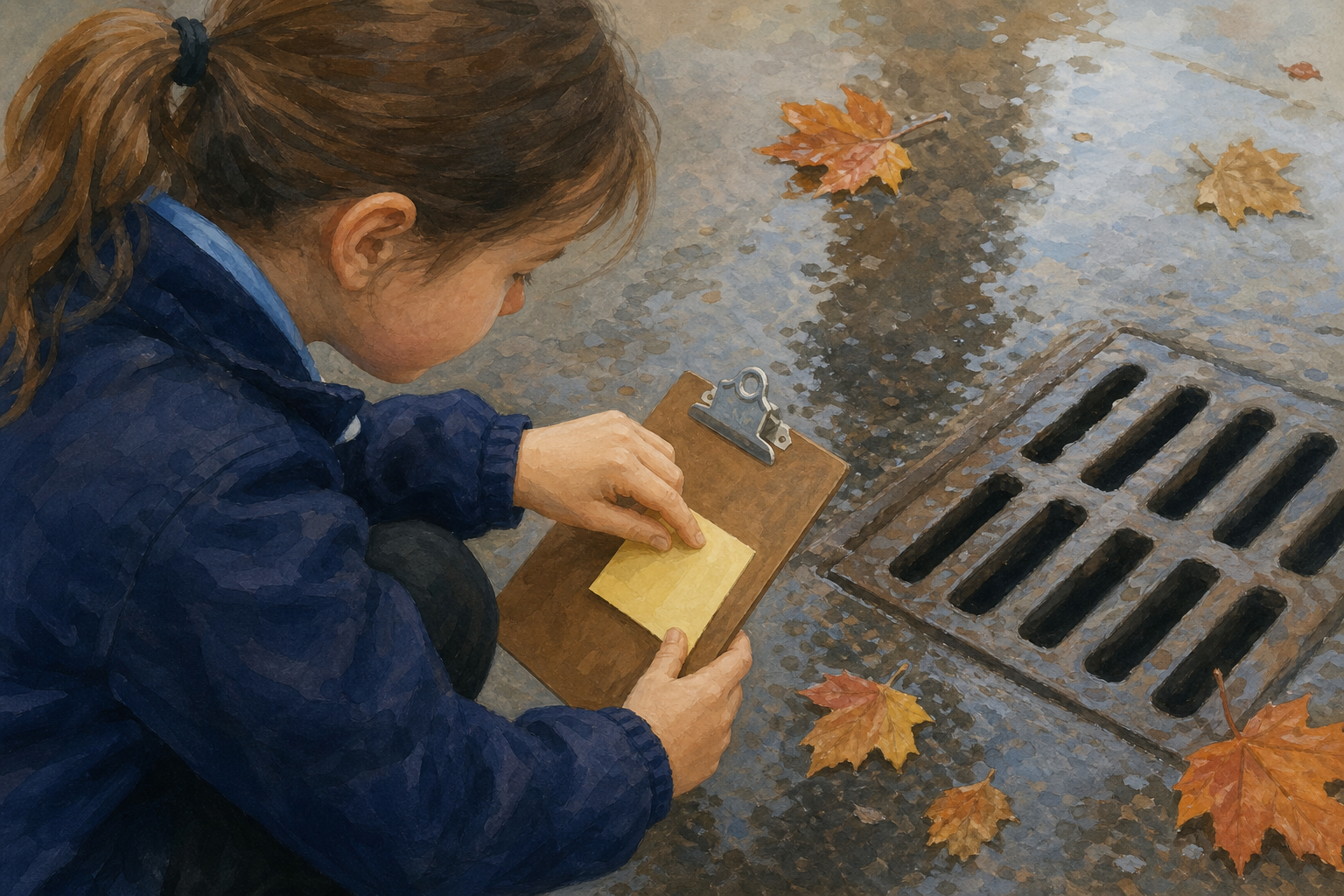 Now it is your turn to be noticers. Find the partner I name for you, and one of you will carry the clipboard. We will walk quietly through our school and grounds. Stop at things that catch your eye: a tap, a gate, a tree, a bin, a window, a puddle. For one or two things you choose, write or draw on a sticky note: what you noticed and what it does. When you find your favourite wonder, draw a little star on that sticky note so you can find it again back at your seat.
 Your Investigation Journal page (or your three-box sheet) is waiting on your desk. Find the sticky note you starred on the walk. First, copy it across into the first two boxes: I noticed (draw or write the thing) and it does (its job).