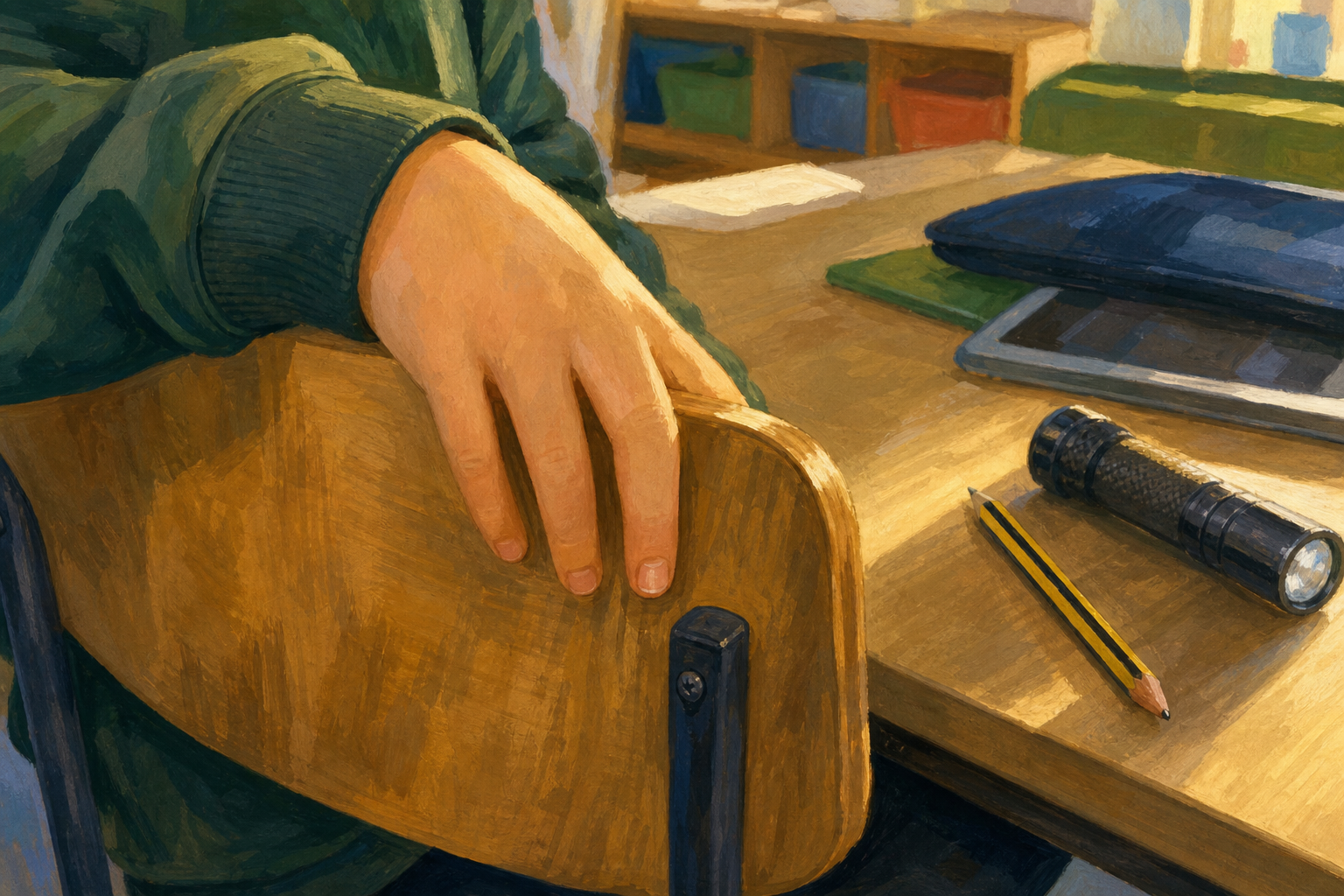
Look around you right now. Nearly everything you can see, someone once had to figure out or build! Long ago, there were no pencils, no light switches, no bicycles and no school buildings. People had to wonder, work things out, invent and build, bit by bit, over a very long time.
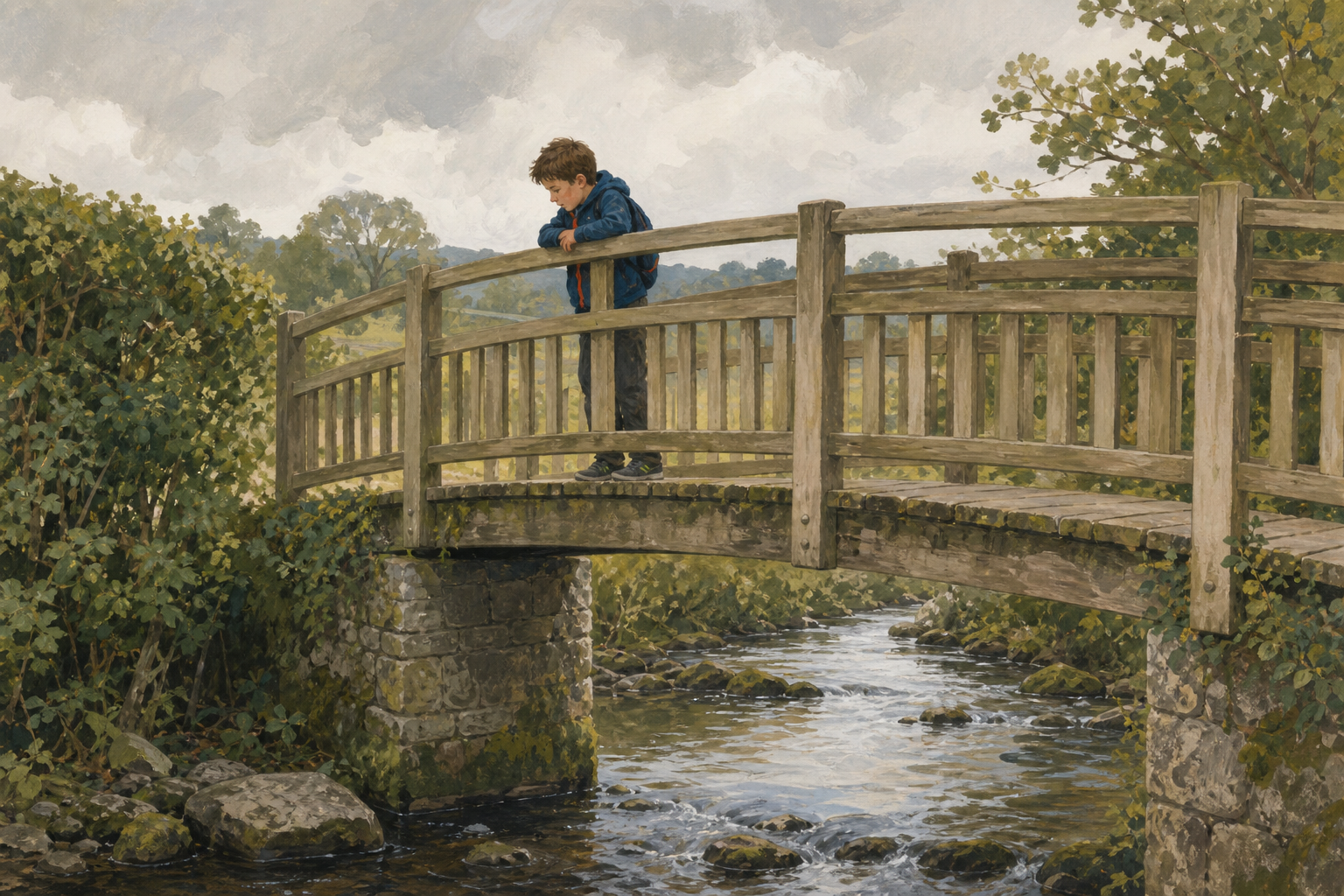
Here is a question to start our year: who invented the very first chair, and how do you think they worked out how to make it stand up? Hands up your best guess!
Keep this light and curious. Take two or three guesses about the first chair, then say nobody knows the exact person, but somebody, long ago, had to figure it out. Don't explain STEM yet — that comes next.
All year, we are going to use our STEM eyes. STEM is a short way of saying the ways people figure out how the world works and make things better. The letters stand for Science, Technology, Engineering and Maths. The M stands for Maths — we use it all the time too, but this year we'll start by getting to know Science, Technology and Engineering. Let's meet them one at a time.
| Concept | Why it matters | Example |
|---|---|---|
| Science — working out how the world works by wondering, asking questions and testing things | Science is how people found out things nobody knew before, like why ice melts or why plants grow toward the light | Someone wondered why bread rises and tested it until they figured out it was tiny living helpers in the dough (these are called yeast, the same yeast bakers use) |
| Technology — the tools and machines people invent to do a job | Technology lets us do jobs faster or in new ways, and almost every tool in this room was invented by someone | A pencil sharpener, a torch and a tablet are all technology — each does a job for us |
| Engineering — designing and building things that solve a problem | Engineering is how the bridges, roads, schools and chairs we use every day get built so they are strong and safe | Someone designed and built this school so the roof stays up and the doors open |
So when we say STEM, we mean all the wondering, inventing and building that people have done over thousands of years, and that they are still doing today.
This is the heart of the lesson — teach each part of STEM, don't just name them. Reveal the table one row at a time so the IWB only ever shows one row at a time and pupils take in one part before the next appears. (Cover the lower rows with a blank card or your hand, or reveal them line by line on the board.) Read the Science row, point at a real object (a poster or a question already on the wall), ask can you point to something in this room that is science?, then uncover the Technology row and hold up a real torch, then uncover the Engineering row and the actual school walls. Don't let all three rows land on the board at once — to an 8-9 year old that reads as a wall of text. Let each part land before revealing the next.
About the M: if a pupil asks, the M is Maths, and we use it inside all the others (counting, measuring, comparing). We'll meet it more as the year goes on.
About yeast: if pupils don't know the word, say it is the same yeast used to make bread rise in baking — tiny living helpers too small to see.
Common misconception: children often think STEM means only computers or only difficult things. Stress that a spoon, a chair and a question about why leaves fall are all STEM.
Now we put on our STEM eyes! In your group, you will take a short walk around the classroom and the corridor with a clipboard. Your job: spot things that someone once had to figure out or build, and write or sketch each one.
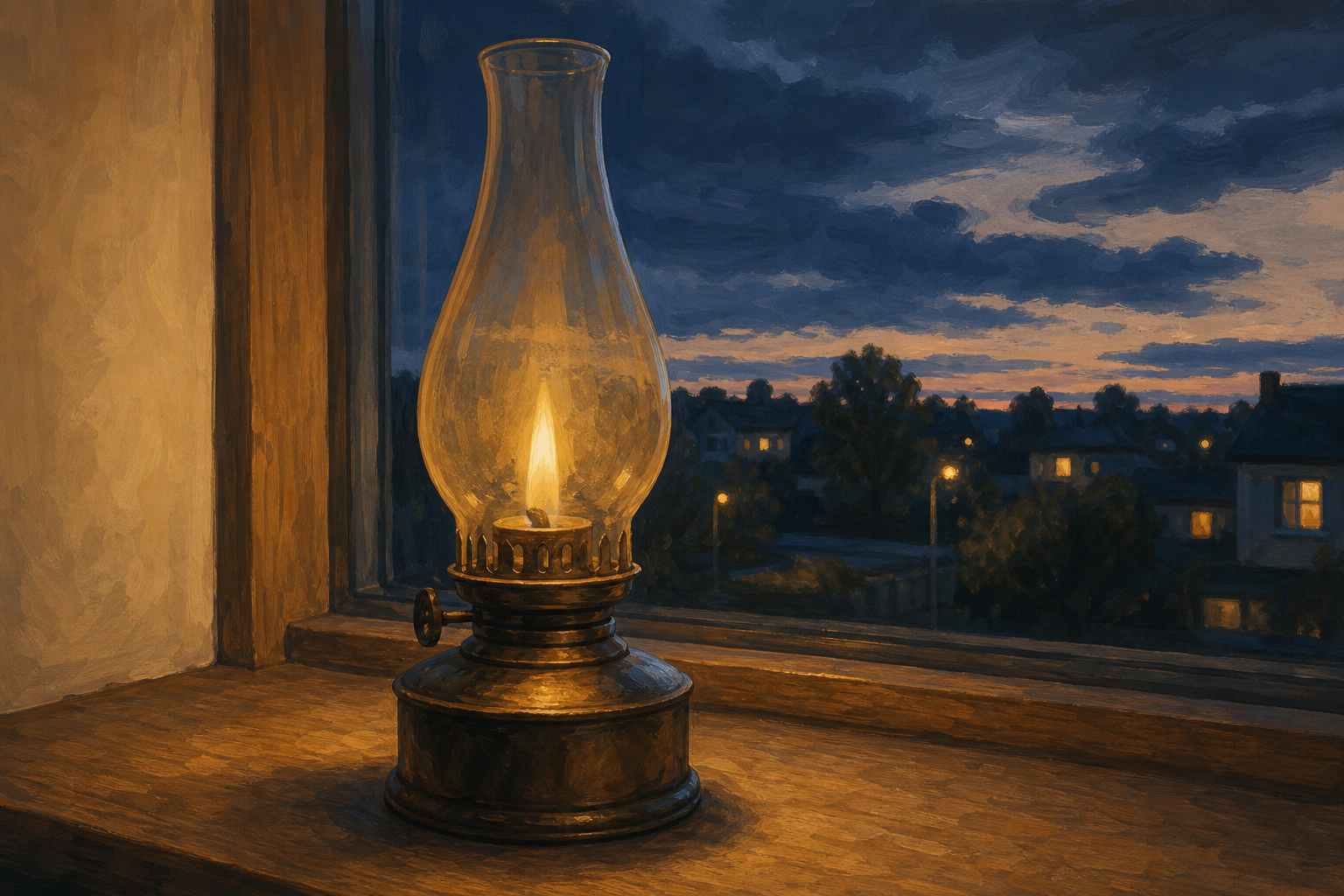
Look for things like a window, a door handle, a light, a tap, a painted line, a drainpipe, a bin, a clock. Try to spot at least six things. We are not sorting them yet — just collecting them with our STEM eyes.
Before the lesson: gather a clipboard and a few collecting sheets per group; decide your walking route (classroom and one corridor; if time and weather allow, add a quick look out at a safe corner of the yard).
Suggested timing: 3 min set the route and the rules; 12 min walking and collecting; settle back at 15 min. Keep the route short so groups are not rushed — classroom and corridor alone give plenty of finds.
Model one find first: point at a window and say someone had to figure out how to make see-through glass and build a frame to hold it. Keep groups together and stay with the class if you step outdoors. Prompt with what did you find? who do you think had to work that out?
Differentiation: pair a confident writer with a confident drawer in each group; sketches count just as much as words.
Back at your table, look at the things your group found. Now we sort them onto your sorting sheet, which has three columns: Science (working something out), Technology (a tool or machine that does a job), and Engineering (something designed and built to solve a problem).
Talk it over in your group before you decide. Some things fit more than one column, and that is fine — many things in our world need science AND technology AND engineering together. If your group thinks a find belongs in two columns, you can write it in both! Think about a tap, for example: it is a tool that does a job (technology), and someone designed and built it into the wall (engineering), so it can go in both. The important part is being ready to say why you put each find where you did.
Pupils complete their three-column sorting sheet (Science / Technology / Engineering columns) — this is their paper record for the lesson, the Investigation Journal page for today.
Suggested timing: 3 min model one sort together on the board; 8 min group sorting; 2 min quick share.
Model first: a torch is a tool that does a job, so Technology; the drainpipe was designed and built to carry rainwater, so Engineering; a question about why the yard puddle dries up is Science. Show pupils that a find can go in two columns at once (a tap is technology, and it was engineered into the wall). Stress there is no single right answer for the tricky ones — the talking is the science. Move between groups asking why did you put it there?
Differentiation: give struggling groups three or four pre-spotted items to sort first before adding their own.
Here is the most interesting part. Every single thing we found has a story. Before it existed, people did the same job a different way!
Let's talk together: before there were electric lights, what did people in Irish homes use to see at night? Before there were bicycles, how did people get around? Before there were fridges, how did people keep food cold? STEM is always changing — people keep wondering and inventing better ways.
This is a display-only class discussion. Draw out the story-of-STEM thread.
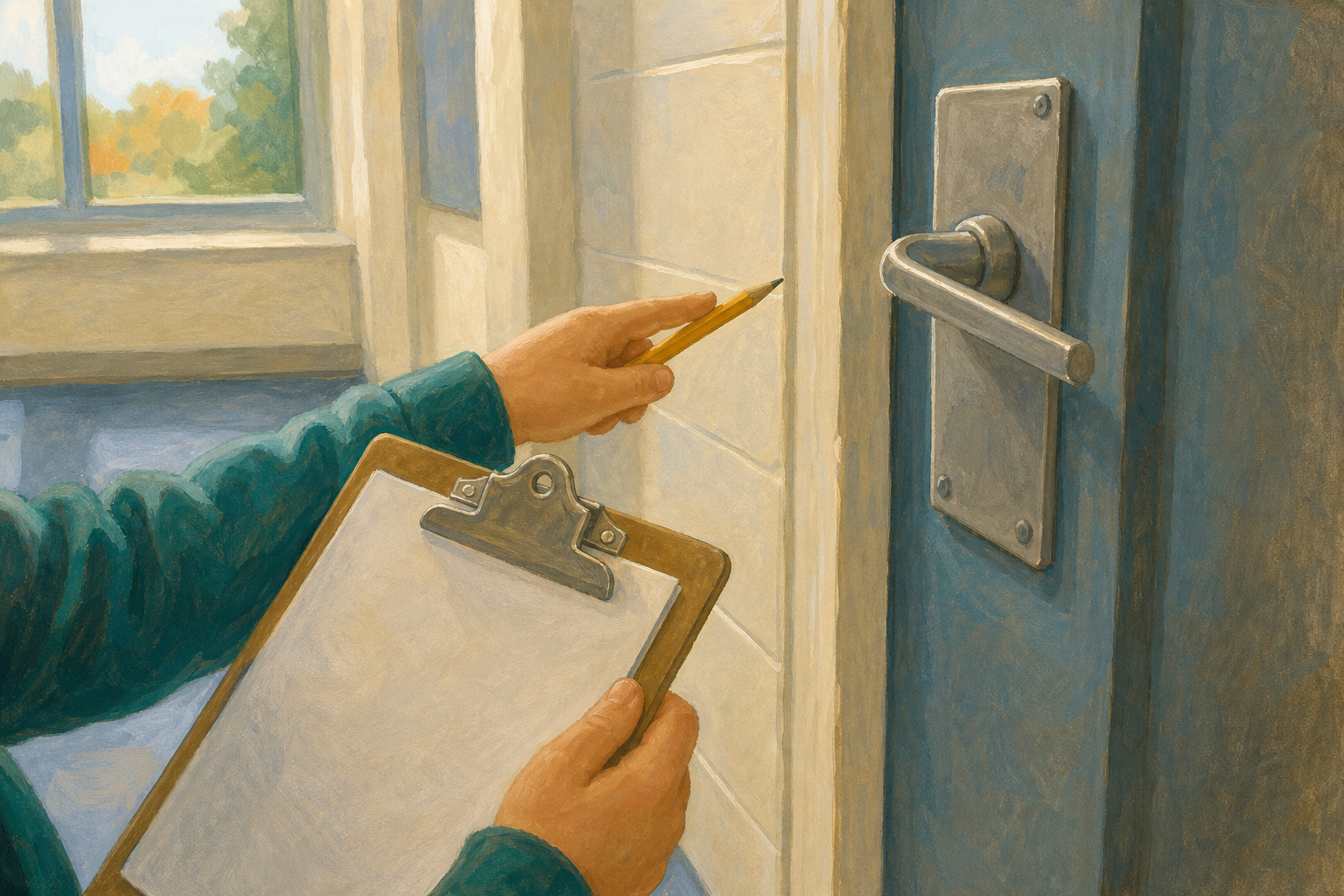
Useful anchors for an Irish class: before electric bulbs, homes used candles, rushlights and oil lamps; before bicycles and cars, people walked or used horses; before fridges, food was kept in a cool larder, a stream, or salted. Let pupils suggest more.
Finish by asking each group for one thing they wonder about something they found — pin these wonder questions to the wall or noticeboard to start the year's I wonder board. Tell pupils we will come back to these questions all year.
Today we put on our STEM eyes and discovered that nearly everything around us, someone once had to figure out or build. The letters in STEM stand for Science (working out how the world works), Technology (the tools we invent), Engineering (the things we design and build to solve problems) and Maths (which we use inside all of them). This year we'll get to know Science, Technology and Engineering best.
All year, we will keep using our STEM eyes, and we will keep adding questions to our I wonder board. Look at the board now — those are the questions we get to explore together this year!
Keep this brief and forward-looking. Point at the I wonder board the class just started. Ask one or two pupils to finish the sentence I never knew that someone had to figure out… out loud. No writing in this step — the talking and the wonder board are the close.
You're previewing this lesson. Get full access to this lesson and hundreds more — each one ready to teach, with interactive activities, printable resources and pupil progress tracking built in.