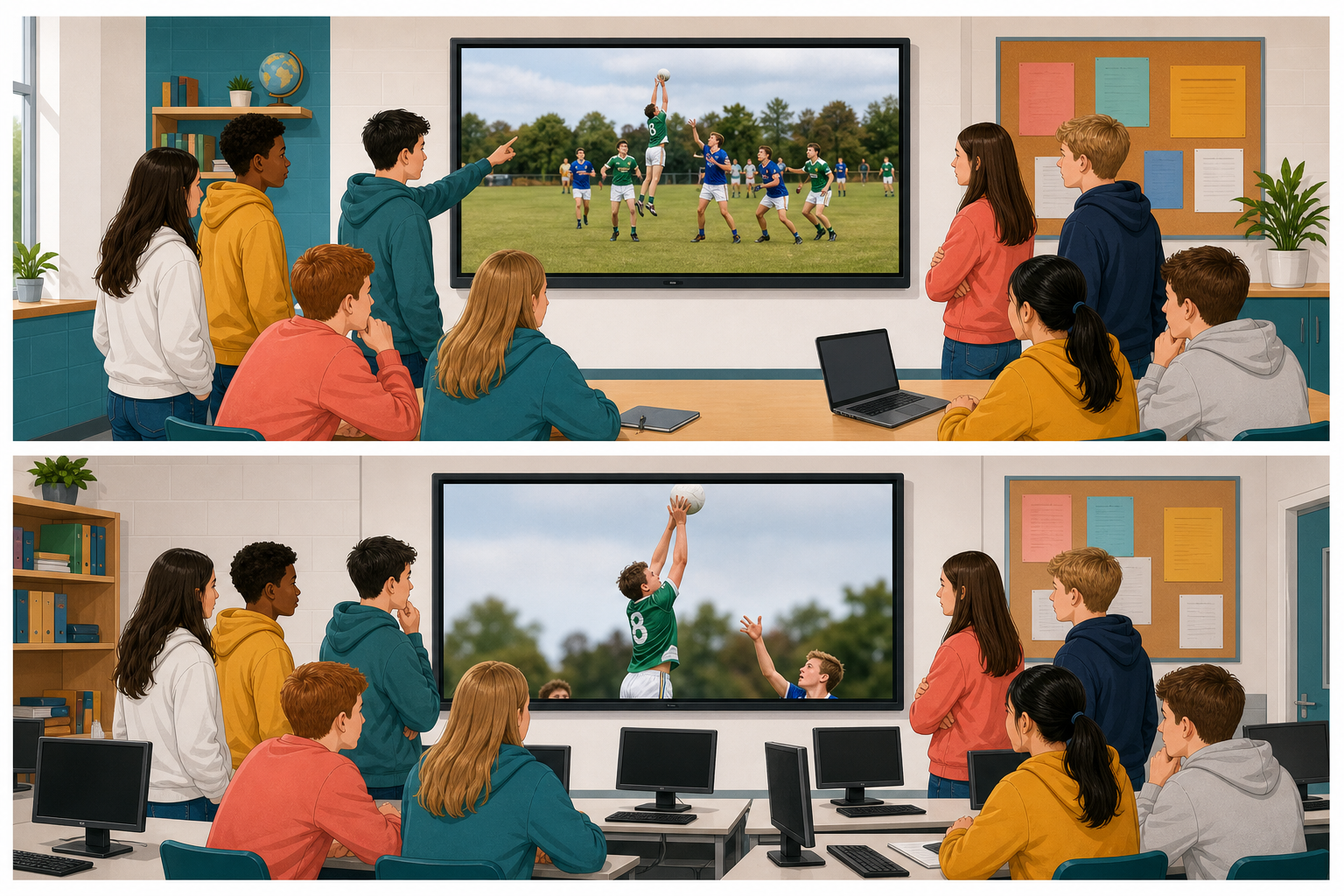
 You already know that digital media can be cropped, filtered, trimmed and layered. Today the question flips.
When you meet a finished image, clip or soundtrack online, can you tell what was done to it?
| Your call | What it means |
|---|---|
| As taken | No good reason to think the capture was changed. |
| Fair editing | Changed for clarity, length, framing, quality or privacy, without inventing a false story. |
| Altered to mislead | Changed so people believe something untrue. |
You will make these calls from practical tells — clues you can see or hear — rather than guesswork.
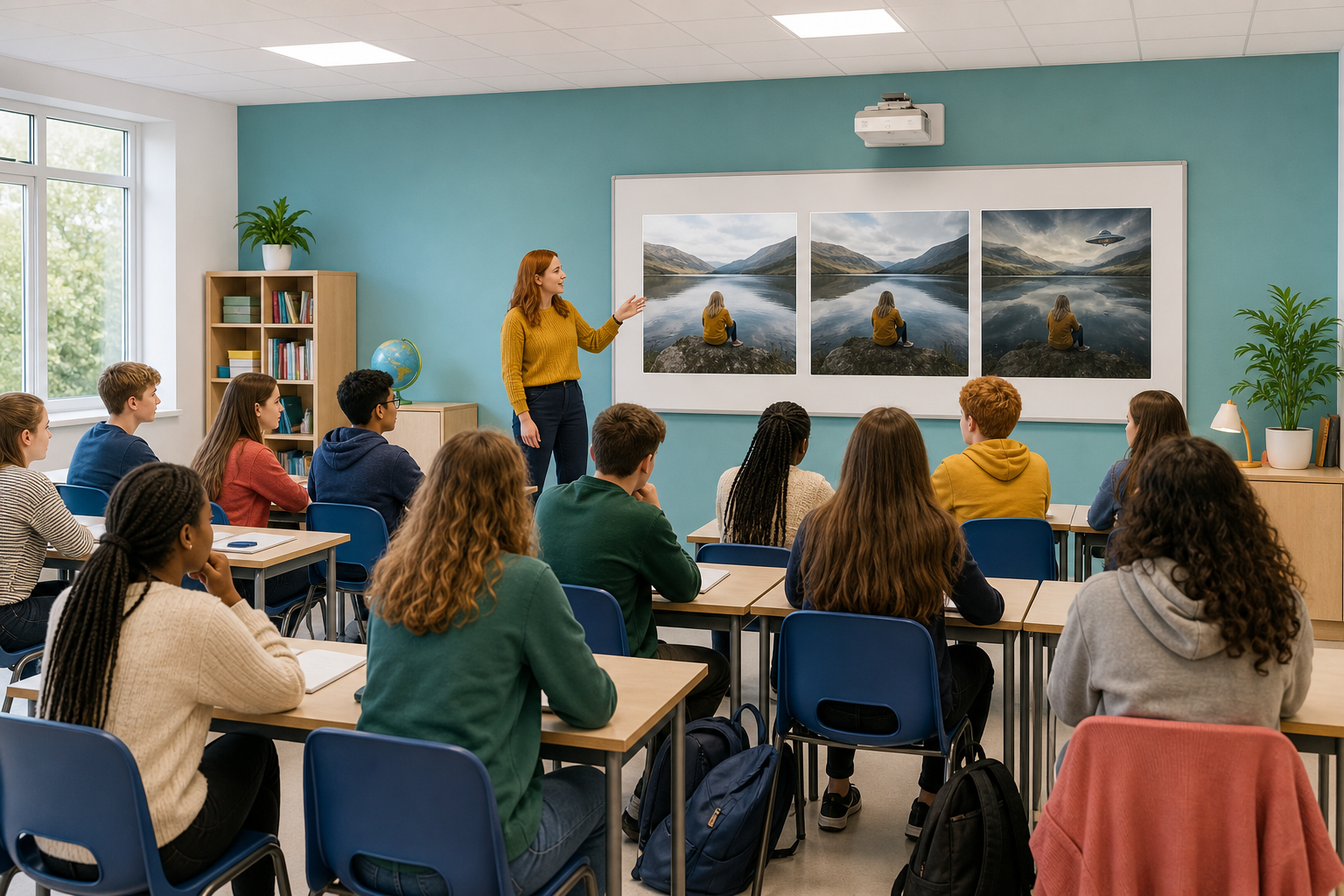 Not every change is a trick. A sports photographer crops a wide shot so the goal fills the frame. A news desk brightens a dull flood photo so the waterline is clear. Those are ordinary edits.
Manipulation becomes a problem when the change is hidden and the viewer is led to believe something untrue: a sentence cut from a speech so the meaning flips, or a clip sped up so a calm corridor looks chaotic.
Today's three verdicts:
- As taken: nothing meaningful has been changed from the original capture.
- Fair editing: changes were made for clarity, length, framing, quality or privacy, and they do not invent a false story.
- Altered to mislead: the change is designed (or likely) to make the audience believe something untrue.
You will build a short tell checklist on the board as you work the first live item.
Work through each item in the interactive activity as a class. For every piece, look at what is on the board (caption, source, and the photo, audio or clip description), weigh what you notice, and commit to one verdict: as taken, fair editing, or altered to mislead. Then reveal the reasoning and check it against your call.
Argue out loud. The skill is naming what changed and whether that change invents a false story, not racing to a score.
As taken, fair edit, or altered?
Now the whole class plays the rest, on your own devices.
Join with the code on the board. Everyone answers every round, not one person per table, and you can change your answer until the time is up. You also say how sure you are: just checking, fairly sure, or certain. The class's split appears on the board once the round closes, then the reasoning.
- Read the item, make your call, and lock it in.
- Your table scores when you get it right together, so talk it through quietly first if you want to.
- When the reasoning comes up, check it against the one you gave.
Getting it right matters less than being able to say why. A right answer earns what you staked and a wrong one loses it, so being unsure and saying so costs you very little - being certain and wrong is what costs. Every round has a defensible answer, and the reasoning behind it is what you are here for.
Class Poll
On your own or in pairs, judge these two items. Look at each picture before you read anything else, then write three short lines for it.
| Item 1 | Item 2 |
|---|---|
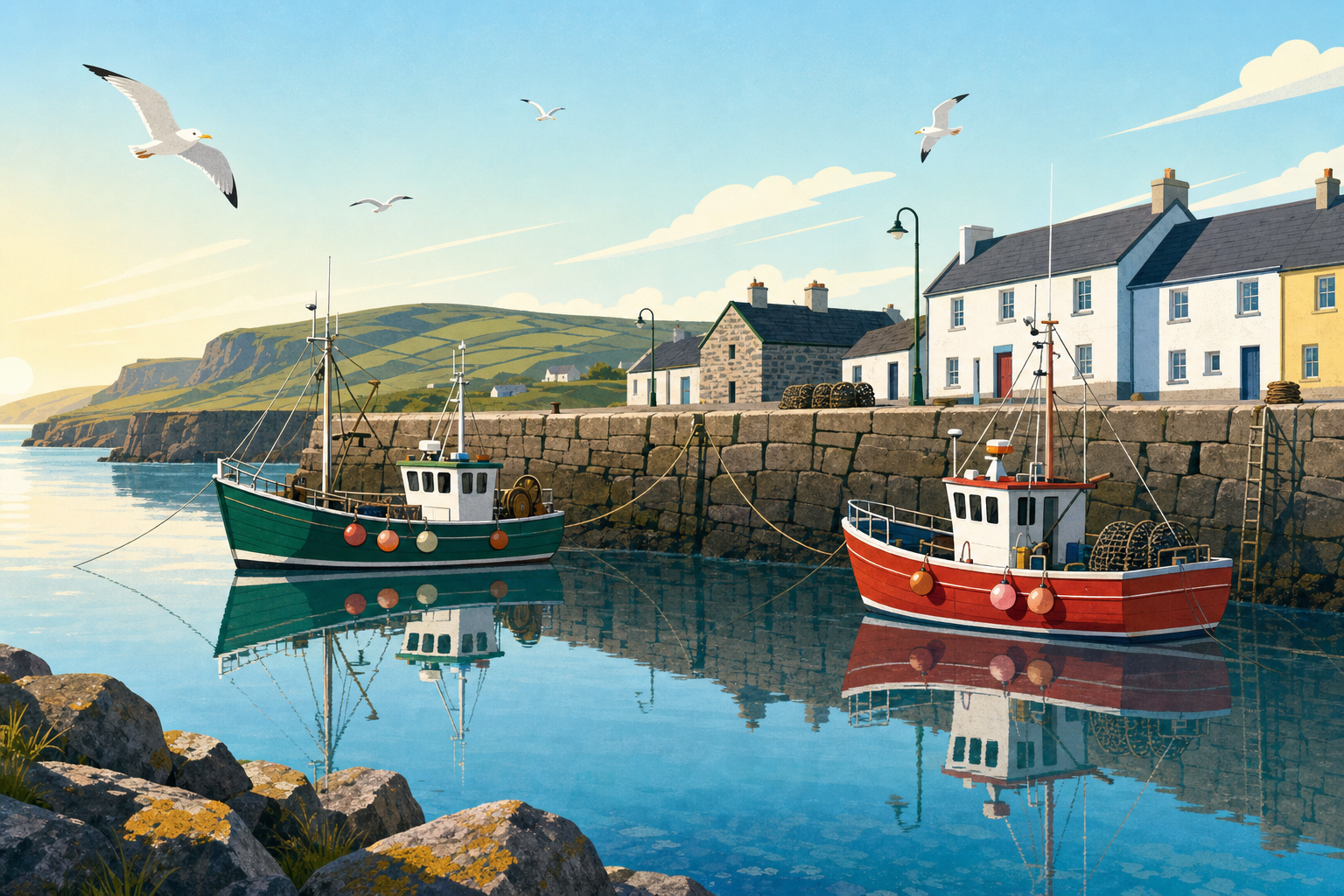 | 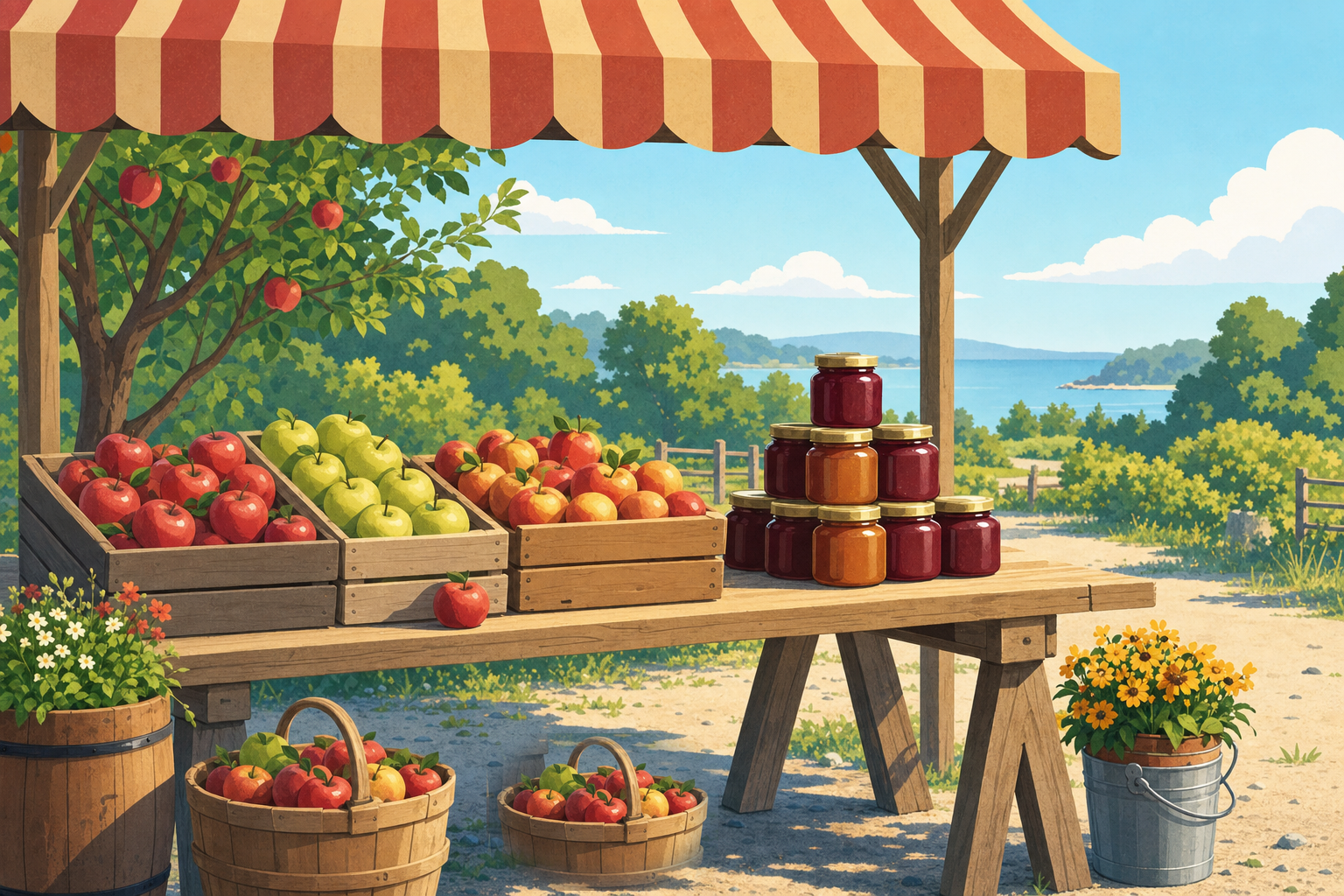 |
| Source: named local photographer Caption: “Quiet morning at the pier.” | Source: shop’s own post Caption: “New batch on the shelf today.” |
Click a photo to see it full size.
Verdict — as taken, fair editing, or altered to mislead.
What may have changed?
The one tell that decided it.
In a real photograph, no two objects are ever arranged in exactly the same way, so if you find two things in the picture that match each other detail for detail, look again at both. Check that light and shadow agree across the whole picture, and that every reflection matches the thing above it.
Before you finish, check:
- a verdict on both items
- one clear tell named for each
- at least one item where you can say why it is as taken or fair editing rather than a lie
Unlock the full learning experience
You're previewing this lesson. Get full access to this lesson and hundreds more — each one ready to teach, with interactive activities, printable resources and pupil progress tracking built in.
This lesson is copyright of 123Learn.ie 2017 - 2025. Unauthorised use, copying or distribution is not allowed.