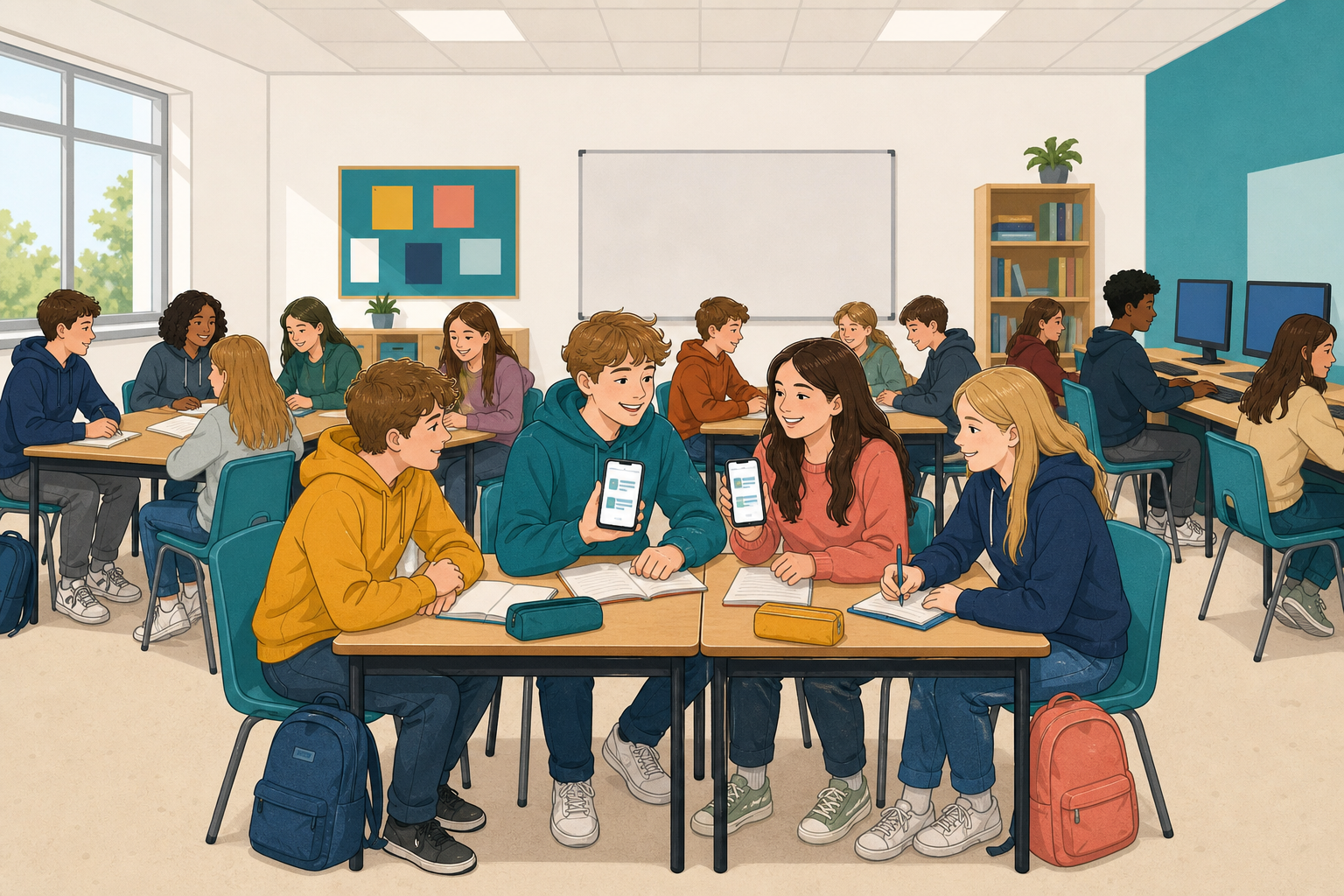
 Nobody chooses their feed. It is built for them, out of what they watched, liked, searched and stayed on.
So today you build one. You get a person, and you make the feed the app would make for them. Then your feed goes to another pair, who have one job: find the story that would never reach your person.
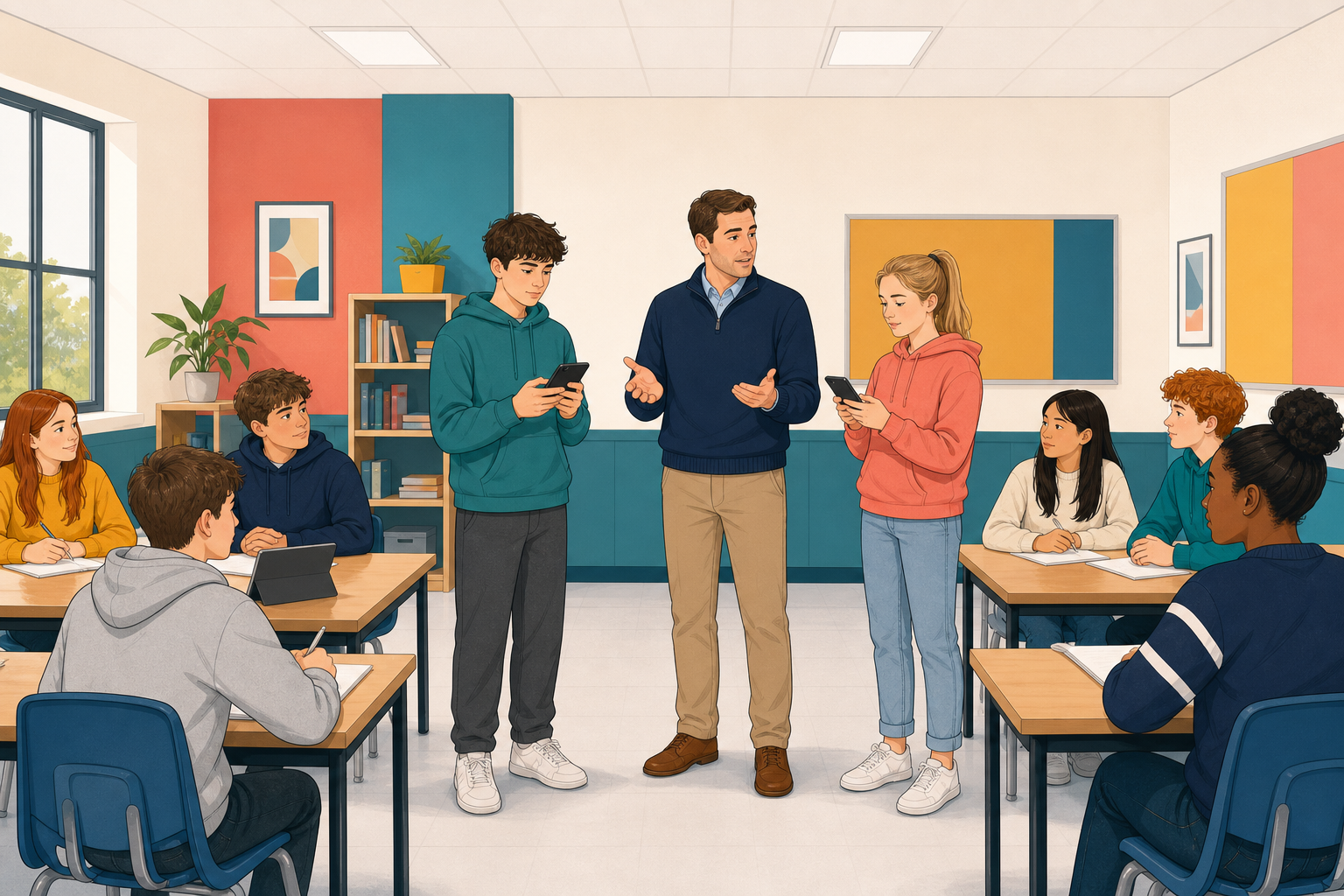 A personalised feed is a stream of posts, videos or results ordered for you, from what you have watched, liked, searched or stayed on before. A filter bubble is what can happen when that keeps working: you see a narrower slice of what exists than someone with different habits would.
That narrower slice is one way bias gets stronger. Not only what a post says, but what never shows up beside it.
Personalisation is not automatically good or bad. It gets you to things you care about fast. It can also keep other angles, other evidence and other people's experience off your screen entirely.
Three signals do most of the work: what you finish (watch time), what you come back to, and what people like you also watched. Nothing about being right, and nothing about being important.
Every picture in the library says whether it is free to reuse, needs a credit, or is off limits. One of them will refuse to be used. Check before you place, and open Credits at the end for anything that needs crediting.
In pairs. Take one person from the board and build the phone screen their app would build for them. The instructions for building it are on the activity itself.
Your person
- Dara, 15, Ennis. Watches every GAA highlight to the end, skips anything over a minute, follows three gym accounts.
- Leila, 14, Dublin. Cooking clips and skincare. Saves everything. Has never once opened a news post.
- Tomás, 15, Sligo. Gaming clips and phone reviews. Scrolls straight past anyone talking to camera.
- Aoibhe, 14, Cork. Animal rescue accounts and horse riding. Follows two local pages because her sister works at one.
- Marek, 15, Galway. Football and music from three countries. Watches long explainers all the way through.
Your work saves as you go. Keep it on screen: in a few minutes another pair is going to be handed it.
Build your person's feed
Feeds swap: move to the screen your teacher sends you to. You are now holding someone else's person.
Six stories broke today. All six are real news for somebody in this class.
- A council decision on where a new all-weather pitch goes
- A change to how Junior Cycle exams are marked
- A local river closed after a pollution test
- A study on how much sleep teenagers actually get
- A new phone launch with a much bigger battery
- A charity appeal after flooding two counties away
Pick the story that would never reach the person whose feed you are holding. Then prove it: point at what is on the feed that keeps it off.
Then pick the one story that would reach them, and say which of the three signals gets it there.
Be ready to pitch both in one sentence each. And say one thing this person's feed genuinely does well for them.
Look at the feeds on the board and at the stories nobody could get through to them.
- Which story was named unreachable by the most pairs, and what did every one of those feeds have in common?
- Was there a story that reached almost everybody? What does that tell you about it?
Keep the board sentence in view: one-angle feeds can strengthen assumptions even when every post on them looks ordinary. Nobody had to lie to any of these people. The narrowing was done entirely with true things they enjoyed.
Every one of these feeds is also doing something useful for the person who owns it. When you want a wider slice, you have to go and get it: a different device, a fresh search, a source outside your usual apps.
Unlock the full learning experience
You're previewing this lesson. Get full access to this lesson and hundreds more — each one ready to teach, with interactive activities, printable resources and pupil progress tracking built in.
This lesson is copyright of 123Learn.ie 2017 - 2025. Unauthorised use, copying or distribution is not allowed.